


In June, I wrote about why I was going to Syria. I told you about the children—about SEMA, about the goal of $25,000 and 100 hearing aids. I wrote about the war funded by American tax dollars and Russian rubles. A seemingly never ending war that shattered these children’s hearing and their communities. I told you that the greatest calling of my life has always been to show up when it matters.
I told you Syria was next.
I went. I returned. And I need to tell you what I found. Because it has changed me permanently. Let’s Address This.
What You Made Possible
First — thank you. From the bottom of my heart, thank you.
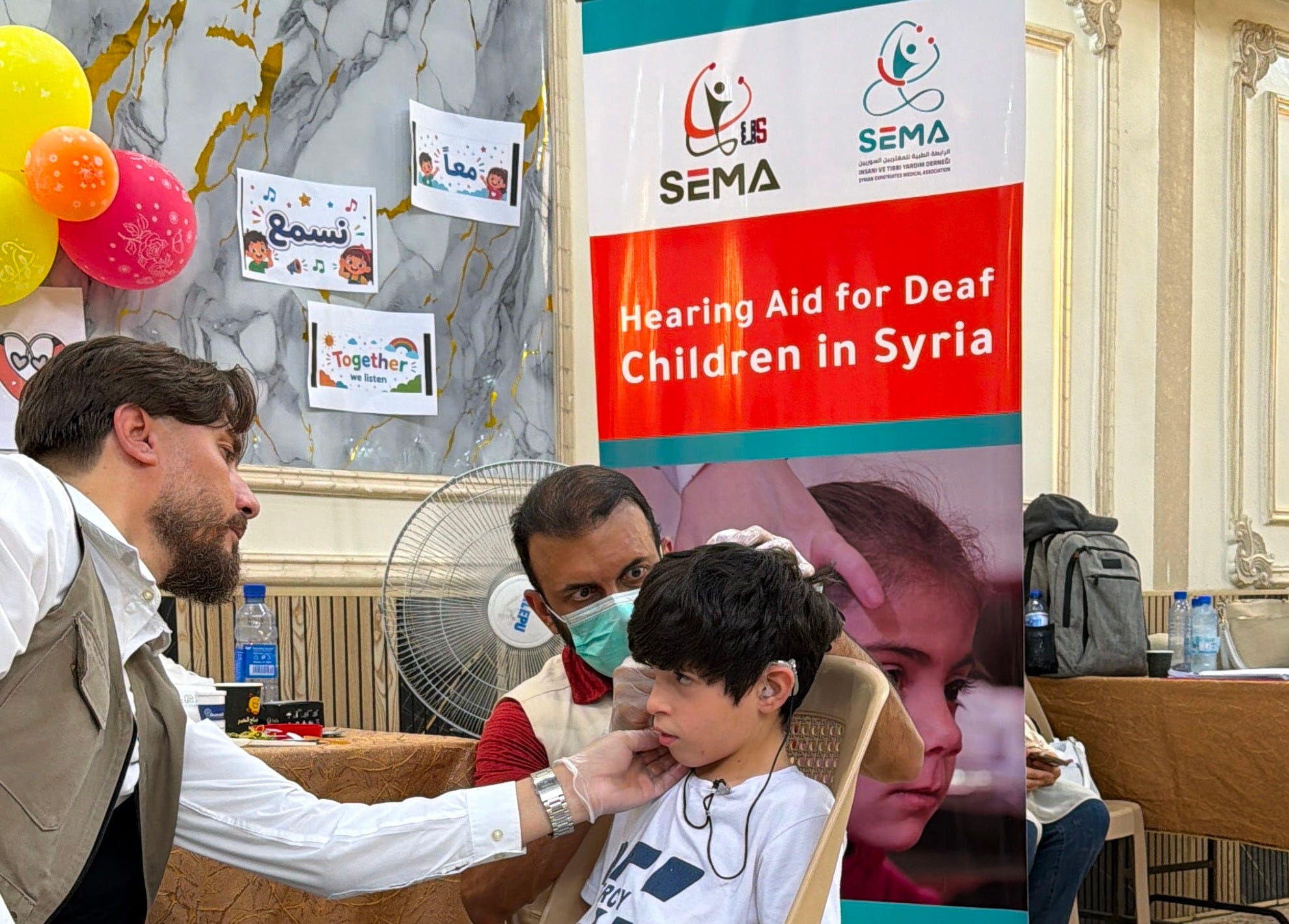
Nearly 1,000 people supported this campaign. On a goal of 100 hearing aids, you helped us deliver nearly 200 sets of hearing aids, benefitting nearly 300 children in Syria. We doubled our goal. Because of you.
Every one of these children can now go to school and hear their teacher’s voice. Can hear their name called for the first time in years. Can hear their friends laughing. Can hear their mother. For some of these children, that silence had lasted seven years.
The most emotional moment of the entire trip was embracing the parents who wept with joy that their children could hear again. For these families, $150 — the cost of a single hearing aid — is often two to three months of salary. An insurmountable, impossible amount to save. What felt like a modest contribution to many of you was, for these parents, a miracle they had stopped believing was possible.
Everyone who donated should know this clearly: you changed the lives of at least 300 children — and their parents, their siblings, and every teacher and classmate who will now be able to reach them. Far more than numbers. Those are human beings whose worlds just opened up.
What I Did Not Expect
I want to be honest with you about something, because if you know anything about my writing, you know that honesty is where accountability begins.
When I landed in Syria, I had apprehension.
I trusted my hosts completely. But I had never been to Syria before. I knew its recent history under a brutal dictator. I knew its proximity to Israel and Iran. I knew the fragility of its institutions and the absence of the human rights protections I have spent my career fighting for. And I did not know what to expect.
The only thing I knew for certain was what my late parents taught me — that if you are fortunate enough to have the ability to help people, you help people. Not because you seek any reward. Because you should deem it your privilege to be in a position to serve.
And then I landed. I got through customs. And for a brief, disorienting moment, I did not know where my ride was. My phone wasn’t working. It wasn’t responding. And it hit me — here I am. A lawyer. A US citizen. Multilingual. With financial means. With status. With every structural advantage our society offers. And I was standing in a foreign country where I did not know the language, the laws, or the customs, with no way to reach anyone I knew.
And I thought: if I — with all of that — feel this fear, this vulnerability, this disorientation — what must it feel like to be an immigrant fleeing violence, with no financial means, no status, no backing, no language, no safety net?
The humanity of it all is being lost in our political debates about immigration. We talk about border policy and we forget that behind every border is a human being, terrified and hoping someone will see them as such.
That moment of standing alone in a Syrian airport, phone dead, ride nowhere in sigh — that was the moment Syria taught me its first lesson. And the week only deepened it.
What I Saw
I spent the week traveling through Damascus, Aleppo, Homs, and Idlib. It was a week of inspiration and humility that I am still processing.
I saw the scars of war. Buildings destroyed. Entire towns devastated. Infrastructure in ruins. It will take a Herculean effort to rebuild Syria into its former glory.
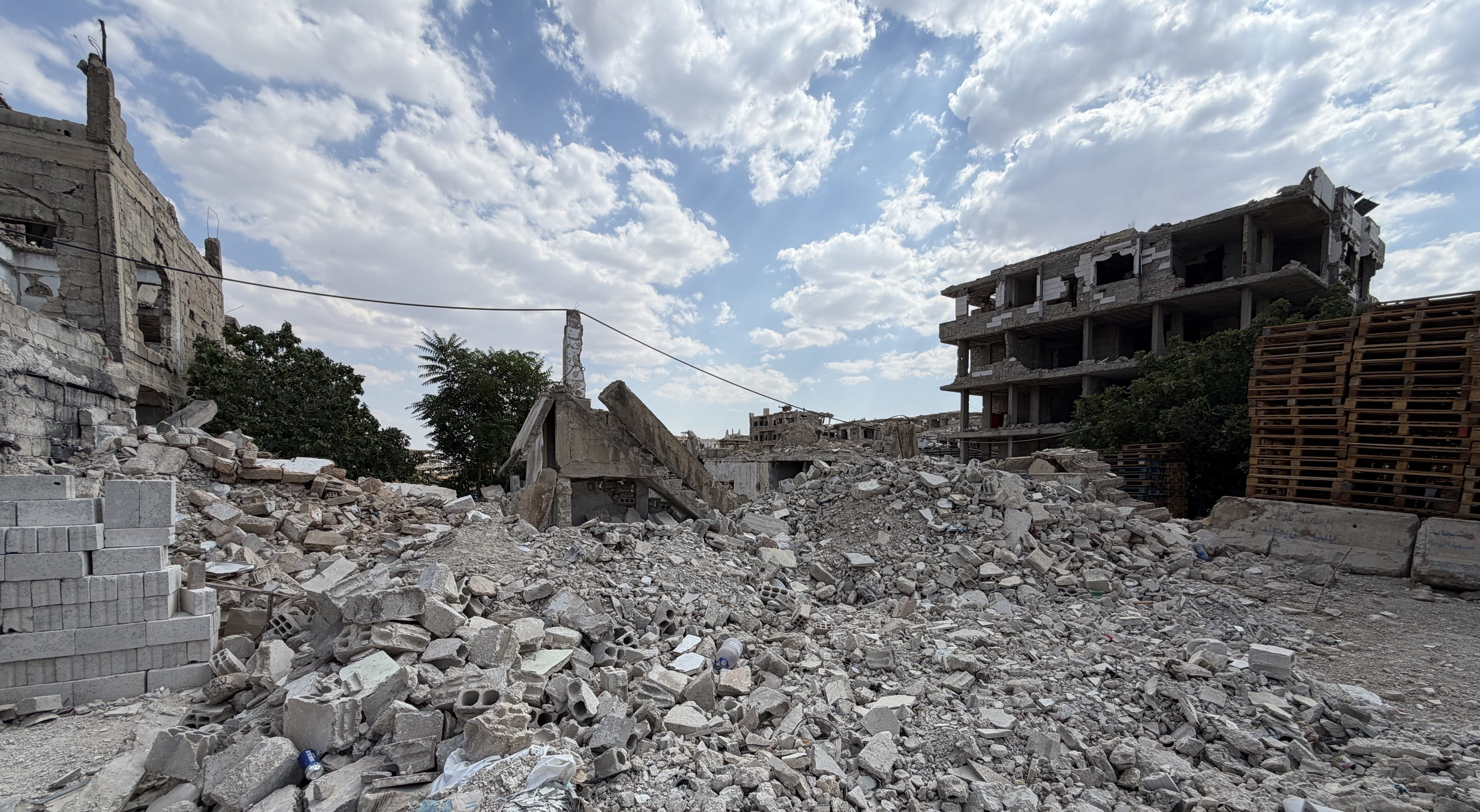
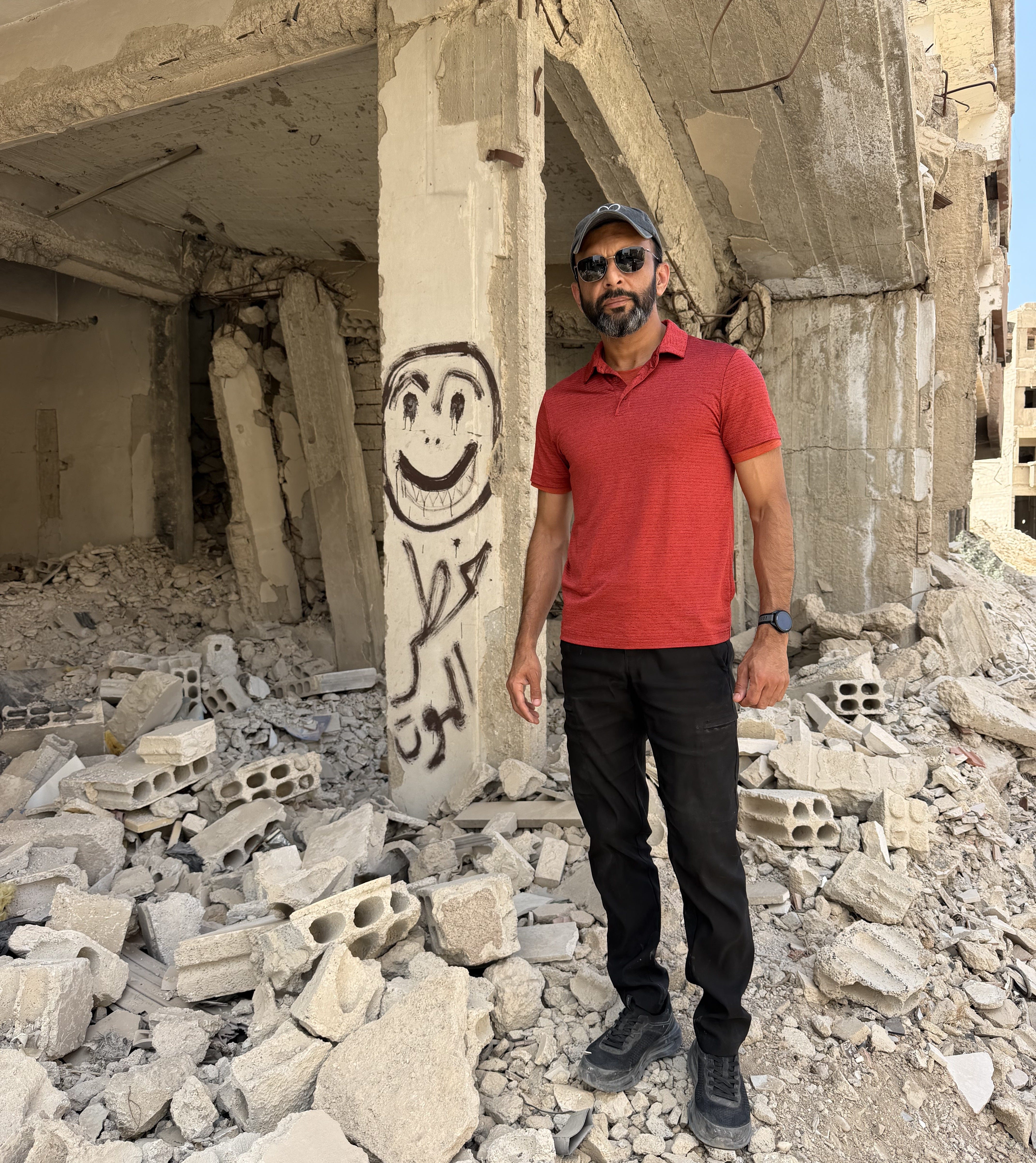
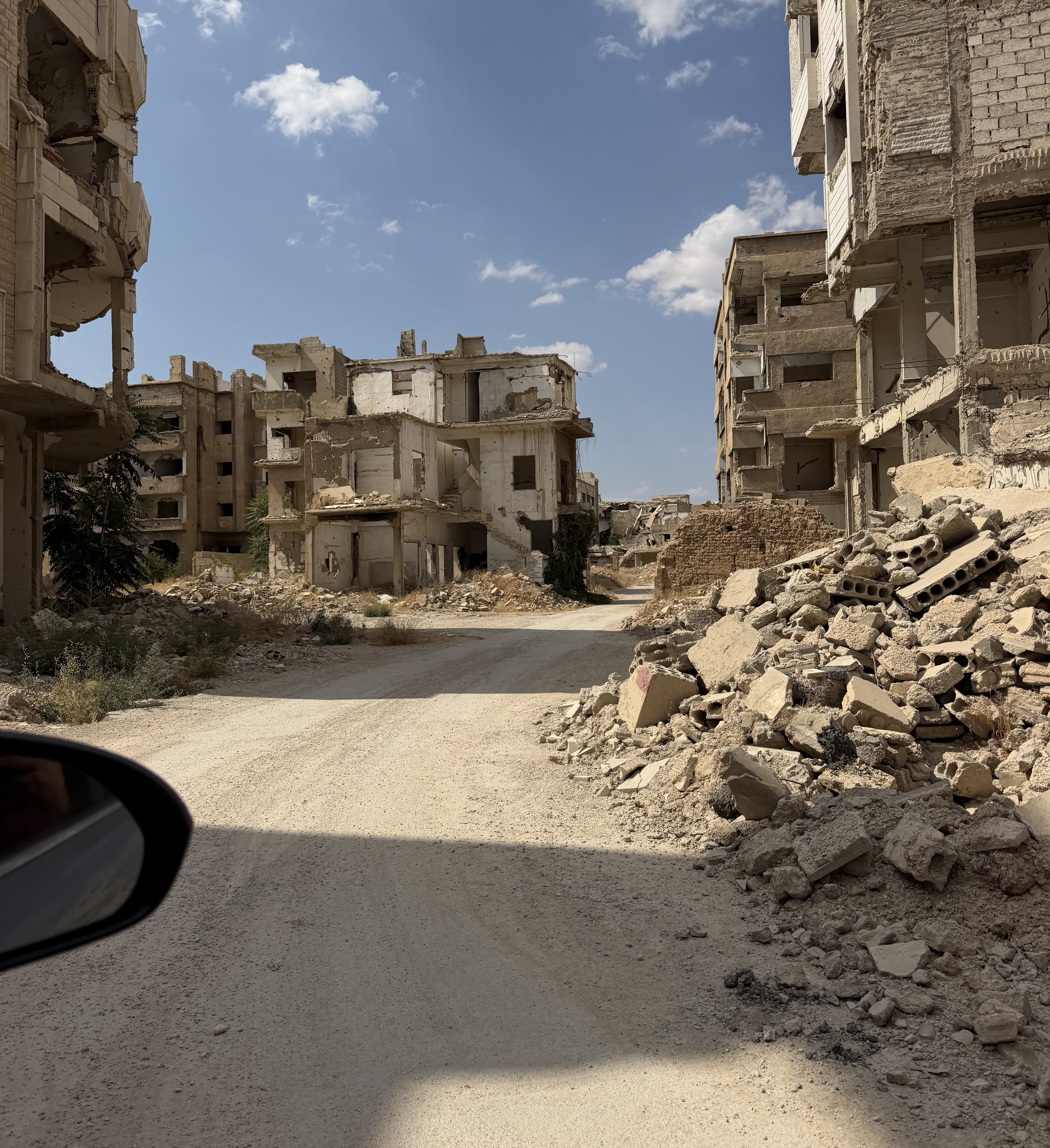
And after having met the people of Syria, I am certain they will far exceed expectations, inshaAllah. To see the resilience of the Syrian people was like something out of a film — except every bit of it was real. A people who had lived under tyrannical oppression for decades, now rising. Building community. Building industry. Building freedom. Not with the triumphant ease of a movie montage, but with the quiet, daily, exhausting, beautiful determination of people who have survived the unsurvivable and refuse to stop.
I saw ancient mosques that have stood for centuries.
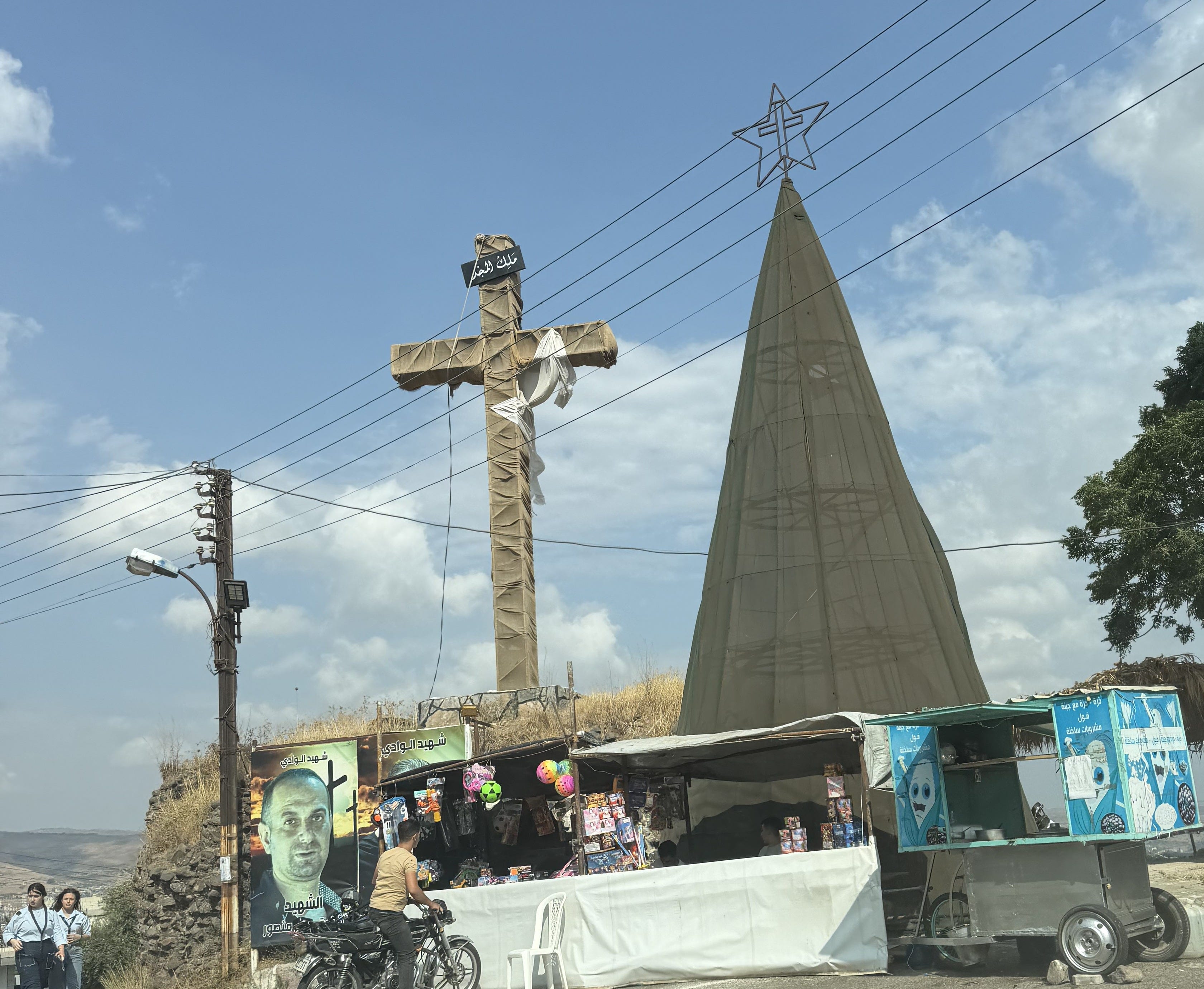
I saw magnificent Christian churches—some dating back more than 1,000 years. Syrian Christians are a thriving, integral community. They are as much a part of Syria as Syrian Muslims—neighbors, not visitors, woven into the fabric of this country’s identity across millennia. Anyone who tells you that Syria has no room for Christians has not stood inside a church in Damascus that was standing before most Western nations existed.
I saw genuine integration of women in public life, in the hospitals, in restaurants, in the public sphere. Some women dressed in a full burqa and niqab. Others wore shorts and a t-shirt. And everything in between. No doubt Syria (like most every nation on Earth) has a long way to go on gender equity and rights, but it was encouraging to see an emerging post-war society that ensured women could dress how they wanted, not how a government forced them to dress.
There is so much more I want to share—about the food, the architecture, the conversations, the people who invited me into their personal lives, the doctors and volunteers at SEMA who have worked without recognition for over a decade to serve communities that the world largely ignores. I will share more in the weeks ahead. But today, I want to close where this journey began—with the children.
The Children Whose Only Crime Was Being Born in the Middle of War
I wrote in June that the children we were going to help are living with the consequences of a war funded in significant part by American tax dollars. I meant it then. I mean it more deeply now, having looked these children in the eyes.
Their hearing was not lost to fate. It was lost to weapons manufactured, sold, and supplied through systems the US government funded and enabled for years. That is not guilt — it is accountability. And accountability, as I have always believed, is where justice begins.
These children did nothing to deserve what happened to them. Their only crime was being born in the middle of a war they did not choose, in a country that powerful governments decided was a useful theater for their geopolitical interests.
And nearly 300 of them can now hear.
Because nearly 1,000 of you decided that was worth $25, or $50, or $100 of your own money.
That is what people-powered human rights advocacy looks like. Not a government program. Not a corporate initiative. People, acting together, choosing to see other human beings as their responsibility.
One Final Ask
We set a goal of $25,000. You helped us surpass it and serve nearly 300 children.
Now I am asking you to help us reach our final goal of $50,000 — to serve even more children before the school year is fully underway. We are more than halfway there. What remains is within reach — but only if you help us get there.
If it is within your capacity — donate one final time. Share this piece with your network. Every dollar goes directly to SEMA and the children in their care. Not a penny goes to me. I made this trip entirely pro bono, funded by nothing but my commitment to service and the support of readers like you who make it possible for me to take on undertakings like this.
What My Late Parents Taught Me
Over the years — from Katrina to Mali, from Turkey to Palestine, from Guatemala to Lahaina and Los Angeles — every humanitarian mission I have taken has taught me the same thing in a different language.
Service is not a sacrifice. It is a privilege.
My late parents instilled that in me before I was old enough to understand it. That if you have the ability to help, you do not weigh the cost of helping against the reward. You help — because being in a position to serve another human being is itself the reward.
Syria taught me that again. In the faces of children hearing the world for the first time in seven years. In the tears of parents who had stopped hoping. In the ancient churches and mosques of a people who have survived everything and are still standing.
I plan to return to Syria. There is so much more that must be done. But today — I want to thank you. All of you. For making this possible. For proving, once again, that ordinary people acting together can do extraordinary things.
Donate. Share. And let’s continue to build a better world for all of our children.
Because they deserve nothing less.
Help us reach $50,000
Qasim Rashid is a human rights attorney, author, and host of Let’s Address This—a platform dedicated to human rights, humanitarian advocacy, and the accountability that corporate media refuses to provide. Subscribe, share, and let’s remain relentless in our mission for a more perfect Union.
Rather than a monthly subscription, you can make a one-time contribution to support our human rights platform at any amount that fits your budget.
You are truly an amazing human being. Thank you for all you do.
Thank You! Your beautiful humanity, work and care leave me at a loss for adequate words. Thank you for helping make this world a better place. I often wonder about Gaza, Syria, Iran, Iraq, Sudan, The Congo, Flint Michigan (do they have clean water yet?!) and so many afflicted areas on our earth all caused by unaccountable irresponsible humans. It’s overwhelming. Then I read your words and get centered to help where I can. Infinite love and blessings to you. 💓