


I write this from sacred ground.
As a promise, a final update on the 1,000 Miles to Memphis you helped make possible.
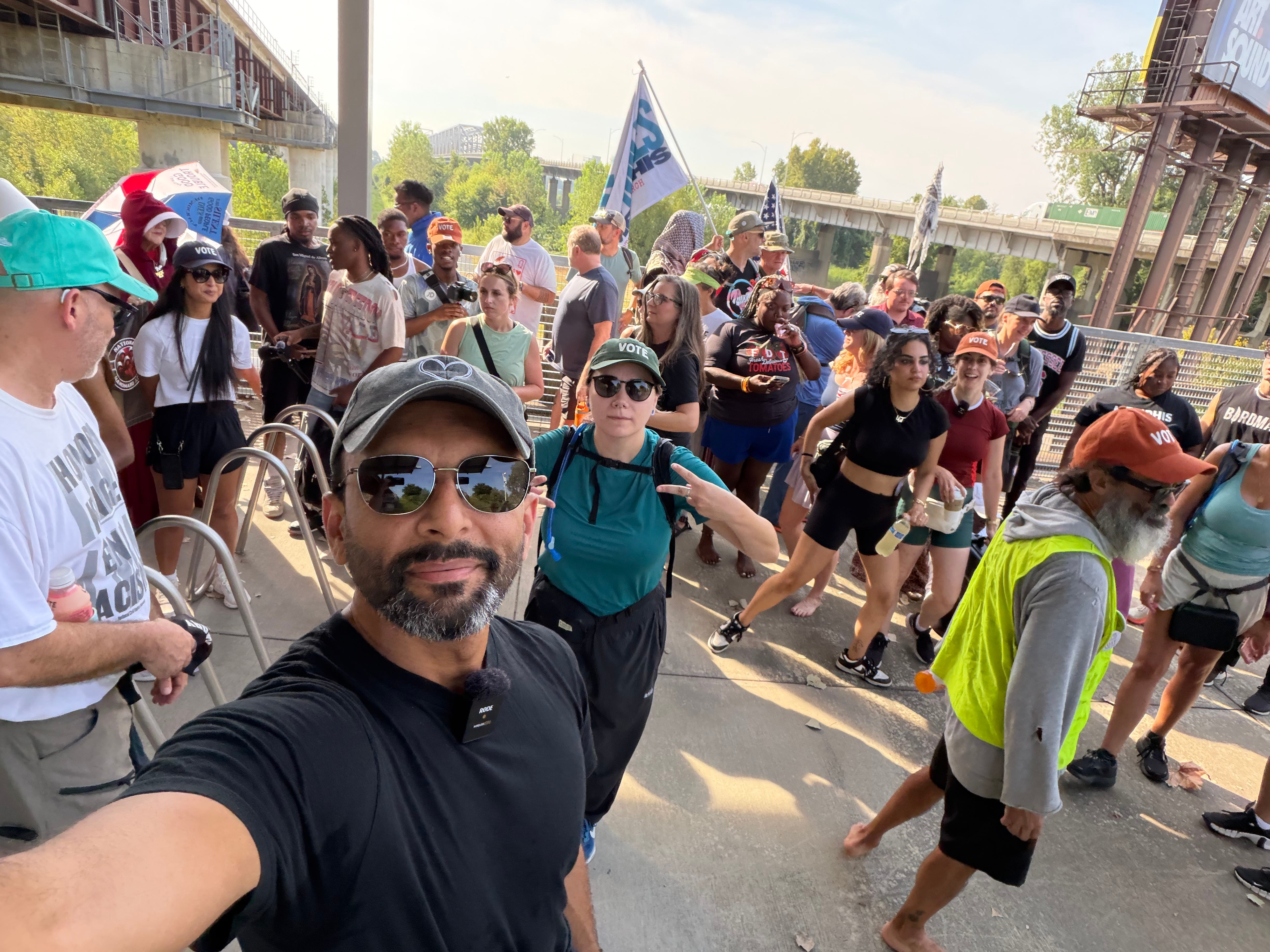
On August 27th, 2026, our team concluded the 1,000 Miles to Memphis voting rights march. In total, 36 days, five states, dozens of organizing events, and more than a thousand miles of Southern roads walked in the footsteps of the men and women who bled and died for the right to vote. It was both exhausting, and exhilarating.
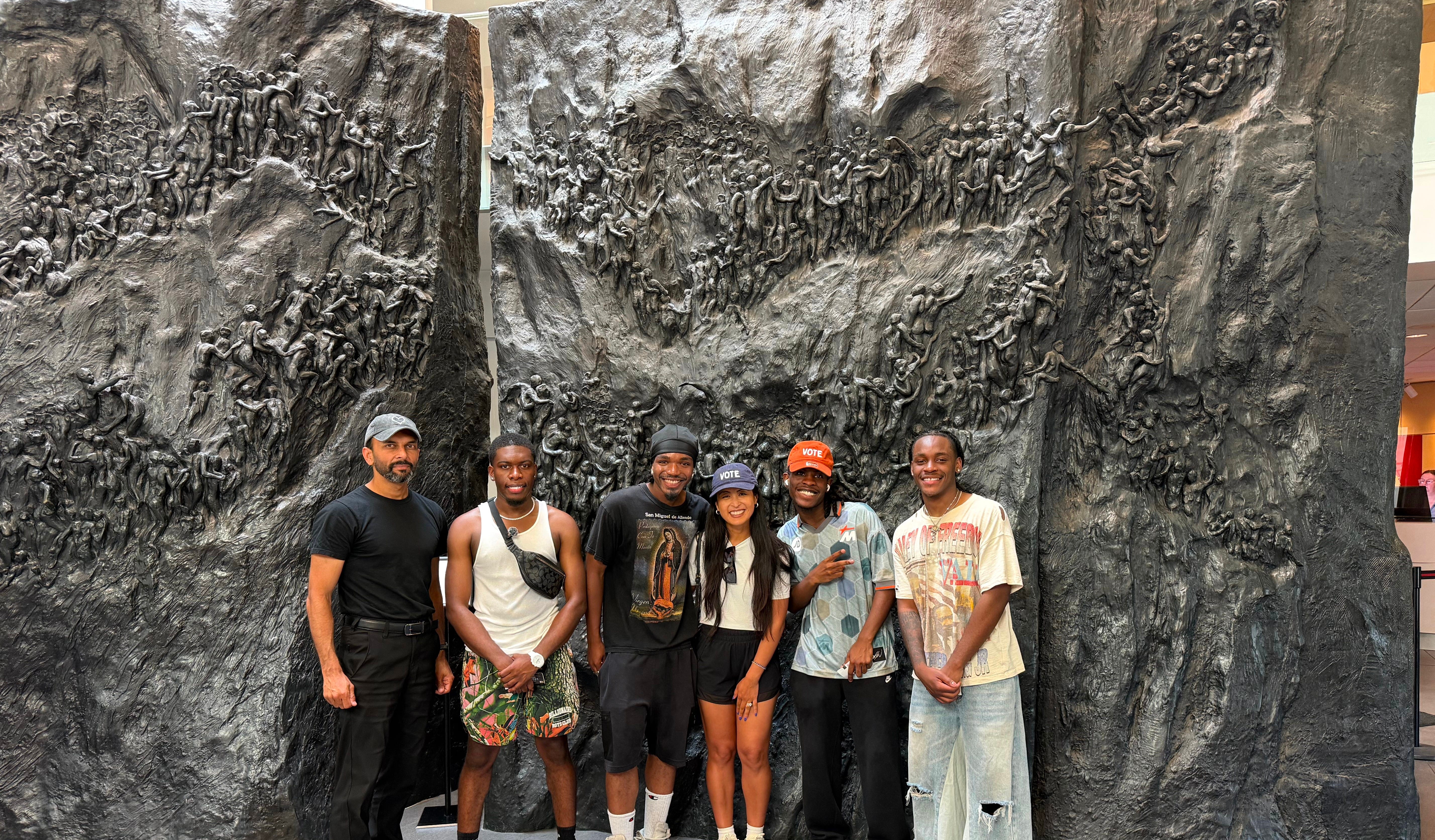
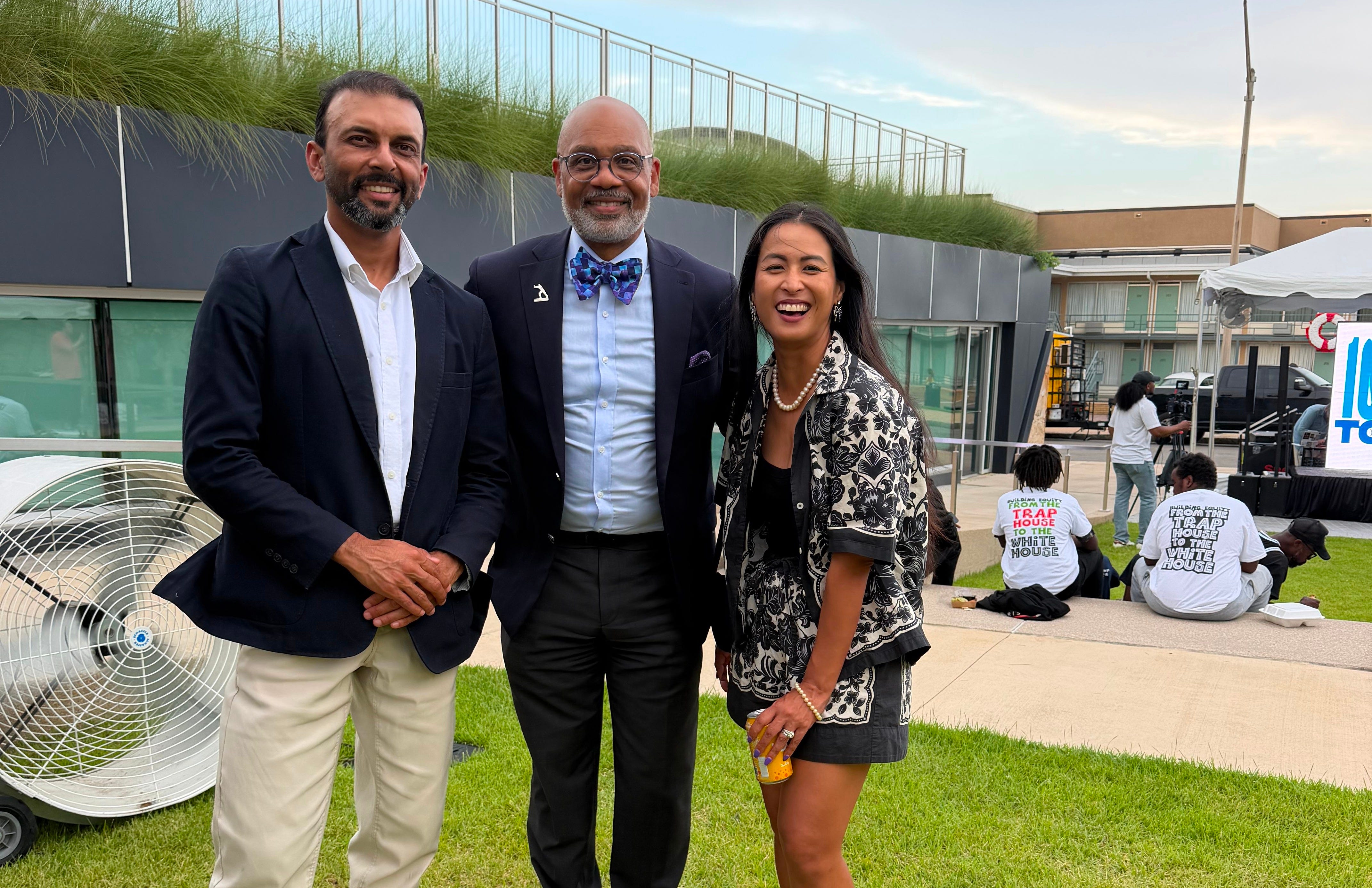
We ended on sacred ground: at the National Civil Rights Museum in Memphis, TN. We stood steps from where Dr. Martin Luther King Jr. breathed his last on April 4, 1968. Standing there, I felt the full weight of what that ground holds. I felt my chest tighten. My heart rate escalate. My breathing become shallow. I felt not just his death. But more importantly, his life. His sacrifice. His vision of a beloved community that we have not yet fully built—but that we have not stopped trying to build either.
It was the privilege of my life to speak there. And I want to share with you—the people who made this march possible—what I said, what we built, and what comes next. Let’s Address This.
Why We Marched
Dr. King taught us that America faces three interlocking evils: racism, poverty, and militarism. Not three separate problems to be addressed in sequence, but three expressions of the same root disease—a disease of injustice that has never been cured, only managed, suppressed, and periodically allowed to metastasize.
We are living through one of those periods of open metastasis right now.
The Supreme Court gutted Section 2 of the Voting Rights Act in Louisiana v. Callais. The so-called ”SAVE Act” is a fascist piece of legislation concocted in white might as well be Jim Crow America. It threatens to disenfranchise millions of Americans—disproportionately Black, brown, and poor. And we’re already seeing states jump the gun. Texas is currently suspending 1.2 million registered voters from its rolls, mere months ahead of midterm elections that threaten to flip the Senate and Governor’s race blue. Voter registration, we learned on this march, is even more suffocating than most people realize—hedged in by restrictions, bureaucratic obstacles, and deliberate legislative barriers designed not to protect election integrity but to protect the political power of those who benefit from a smaller electorate.
This is racism. This is the poverty of democratic access. And it is backed by the militarized machinery of state power deployed against the people it was supposed to serve. We marched because silence in the face of that is not neutrality. It is complicity.
And we refuse to be complicit. But let me tell you what we found in every mile we marched.
What We Found on the Road
We began at 5am on a stormy morning on July 24, in Nashville, TN. In Nashville, where organizers at StandUp Nashville, the NAACP Nashville, and the Tennessee Immigrant and Refugee Rights Coalition reminded us that the fight for voting rights and the fight for immigrant rights are not separate struggles. Indeed, they are the same struggle, waged by the same communities, against the same machinery of exclusion. And rebuking them requires collective action.
In Atlanta, the Apex Museum, the Georgia Alliance, Fair Count, the Dreaming Justice Project, and the League of Women Voters all welcomed us. Each of these incredible organizations have spent years doing the painstaking, unglamorous work of registering voters, fighting suppression, and building the civic infrastructure that democracy cannot survive without. As we left, they continued the work. As you read this now, they continue the work.
In Alabama, we walked ground soaked in the history of the Civil Rights Movement. In Selma, no less, we remembered that history is not past. It is present. The same forces that opposed the Voting Rights Act of 1965 are in federal courtrooms right now trying to finish what they started. The cancer metastasizes before our very eyes.
In Mississippi, we visited the Voting Rights Museum and Institute, spoke with the Mississippi Black Women’s Roundtable, and met with students from Tougaloo College. We saw the hope for the future in real time. Young people who carry the legacy of one of the most important historically Black colleges in America, and who are building the next chapter of this movement with their own hands.
In a word, inspiring.
And in Arkansas, I had the profound privilege and painful experience of visiting the site of the Elaine Massacre—which the Encyclopedia of Arkansas identifies as the deadliest episode of racial violence in American history. Just as depressing, it is one that most Americans have never heard of. Yet, it is one that the Elaine Arkansas Memorial Fund is working tirelessly to ensure is never forgotten. In 1919, white mobs and federal troops killed hundreds of Black sharecroppers in Elaine, Arkansas—men and women who had done nothing more than organize for fair wages. Their names were not recorded. Their deaths were not prosecuted. Their story was buried. Just Win Humanity—the non-profit I launched that raised the funds for this voting rigihts march—is donating at least $1500 directly to these efforts.
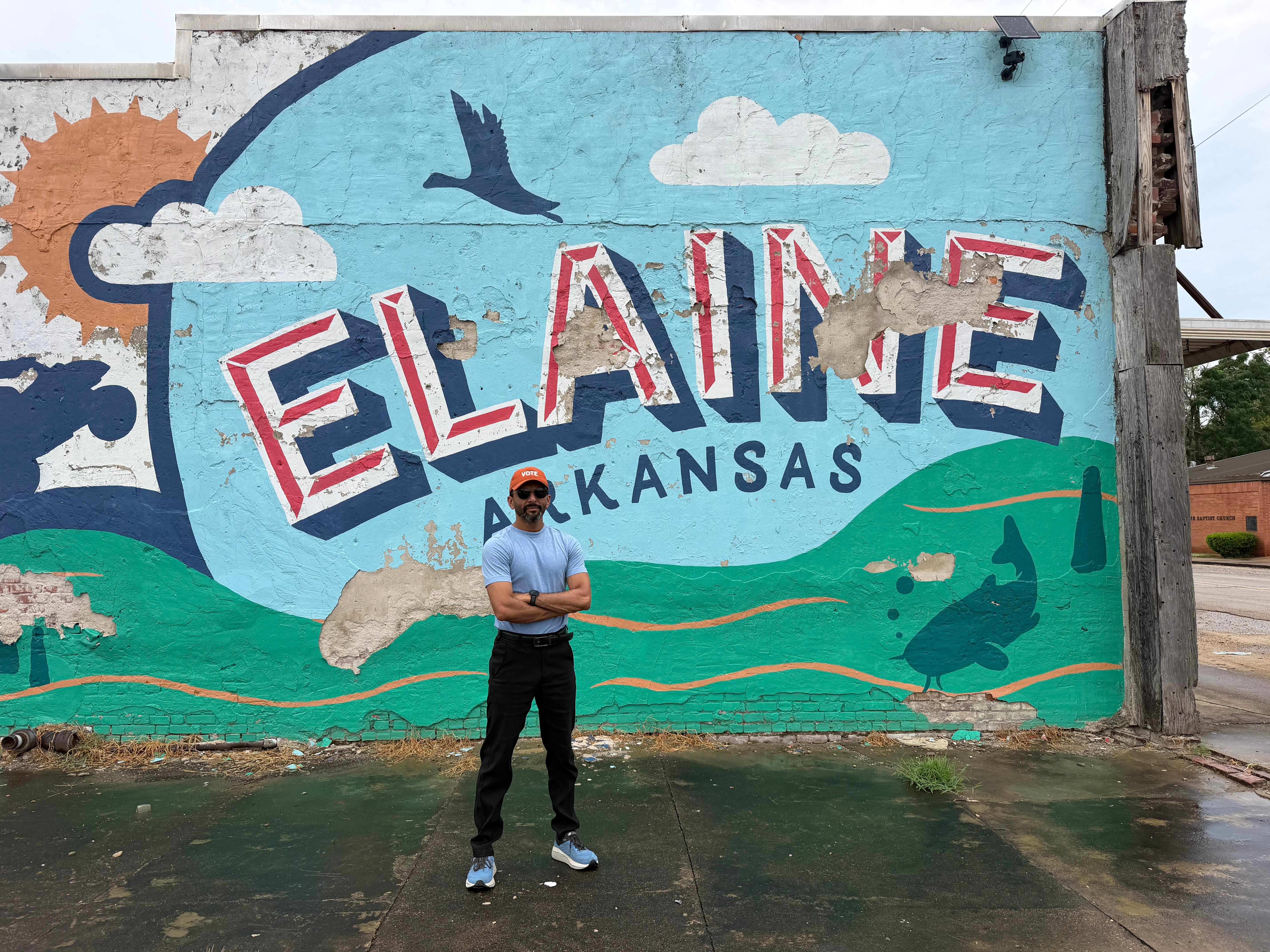
Standing on that ground, I understood with renewed clarity why this march was necessary. Not because we needed to remind ourselves that injustice exists—we know it exists. But because the act of showing up, physically, on the ground where history happened, is itself a declaration: we have not forgotten. We will not forget. And we will not stop. Rather, we will persist and continue to build.
And we concluded at the Civil Rights Museum back in Memphis, Tennessee, and we understood more clearly than ever before the work that remains before us.
What We Built Together
I have written throughout this campaign that this march was never meant to be a symbolic gesture. I have expressed my exhaustion with marches that trend on social media for 48 hours and change nothing. This is why we built 1,000 Miles to Memphis with intentionality to invest in local organizations. I am proud to report that we have, and continue to do so.
Here is what this movement produced:
Content: North of 400 pieces of content across platforms, raising the cause of voting rights in the United States
Reach: We reached more than 10 million impressions, views, likes, and comments, with an in-kind media value of nearly $2 million.
Funding: Just Win Humanity is donating more than $60,000 to more than twenty local organizations doing the work on-the-ground. For voting rights, immigrant rights, racial justice, economic justice, and working families advocacy across the South. With your support, we produced meaningful resources for the Black led, women led, immigrant orgs on the ground doing the hard work every single day.
Therefore, I want to say something directly to the readers of Let’s Address This who supported this march—who subscribed, who donated, who shared, who showed up.
You did this. You trusted us. And you made this possible. The credit goes to you.
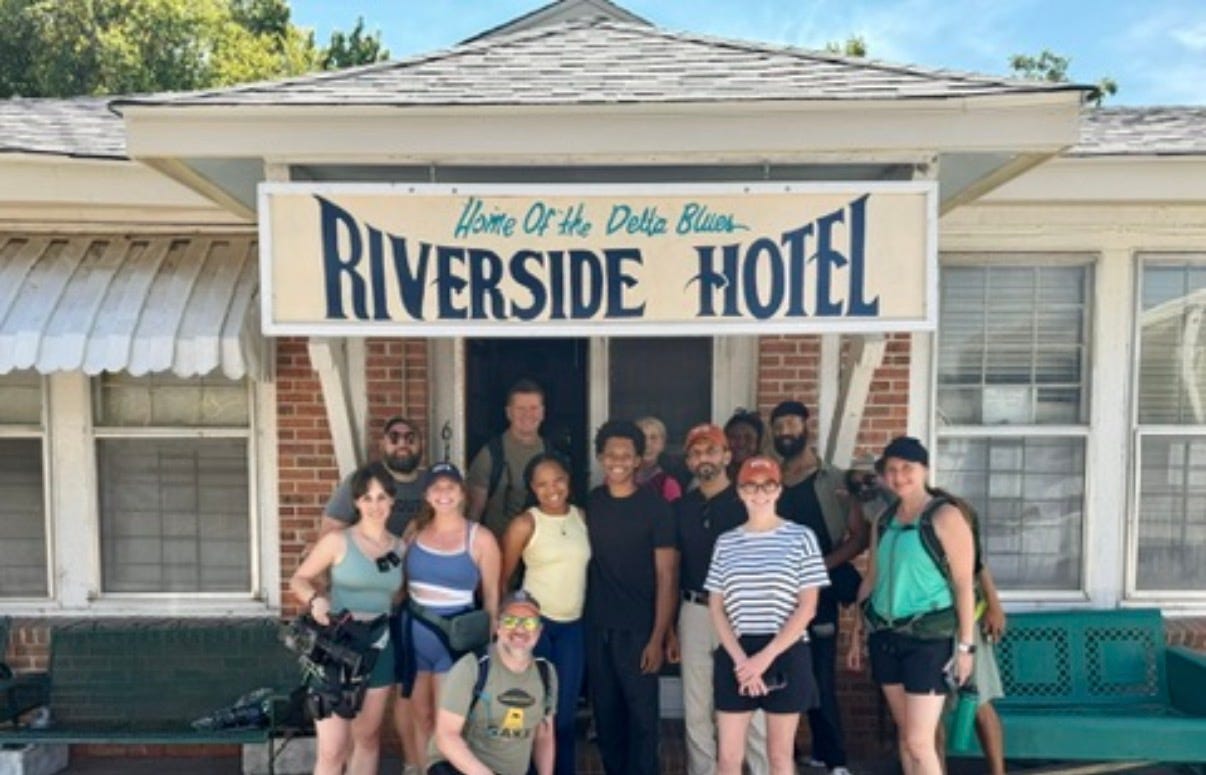
Protecting civil rights does not happen on goodwill alone. It happens on investment—in the organizations doing the work, on the ground, in the communities most impacted, day after day, without the cameras and without the applause. You are not funding an abstraction. The dollars you invested in this platform and this march is going directly to those organizations. You are funding the Memphis Interfaith Coalition for Action and Hope. The Shelby County Voter Alliance. Votes for All. The Stand for Children Tennessee. The Riverside Hotel in Mississippi—a historic institution in the civil rights landscape of the Delta. The National Civil Rights Museum itself.
You are literally investing in the infrastructure of protecting our republic from fascism. And I want you to know that I take that trust with the full weight of its meaning. Every organization we supported was chosen because they are doing the work that history will look back on and recognize as essential. And you helped fund that.
You are saving our democracy. I mean that without exaggeration. I declare it with gratitude.
The Organizations That Made It Possible
Likewise, none of this happens without the partners who believed in this mission before it proved itself. I want to name them with the gratitude they deserve.
ActBlue—our Gold Sponsor—whose commitment to this march was a signal to the entire movement that 1,000 Miles to Memphis was real and worth backing.
CBC PAC—our second Gold Sponsor—whose investment reflected a understanding that the fight for voting rights in the South is inseparable from the fight for Black political representation nationally.
Feel Good Action and Common Defense—our Bronze Sponsors—who showed up early and helped us launch.
And to every one of the dozens of content creators and activists who walked with us, filmed with us, shared with us, and amplified this march to audiences we could not have reached alone—thank you. You are the reason 10 million people heard this story. You did this without seeking a cent of compensation. You invested your time, your platform, and your reputations for the cause of voting rights. That is powerful.
The Work Is Not Done
Now for the tough part. I want to be honest with you about something, because this platform has always been built on honesty. I want to discuss the part that didn’t go well.
We sought to reach 100,000 registered voters, and the truth is we will not reach that goal on this march, and are currently far from achieving that goal. It would be easy for me to ignore it and pretend it isn’t important. But it is, and it is vital to me that I continue to be transparent with you about our successes, and about our failures. That is how trust is built—not by hiding failures, but by acknowledging them and owning them.
We reached our goal of marching 1000 miles. We reached our goal of elevating the cause of voting rights to tens of millions of people. We reached our goal of injecting tens of thousands of dollars directly into the local orgs doing the hard work. But we will not reach our goal of registering 100,000 new voters. This is my shortcoming, and I own that.
We learned first hand on this march just how strong the anti-voter laws are in the south. We learned that voter registration is even more suffocating than most people realize. The restrictions are layered, deliberate, and constantly multiplying. As mentioned, even as we conclude this march, Texas is effectively purging 1.2 million registered voters from its rolls. The machinery of voter suppression does not take breaks. It does not celebrate our victories. It simply continues its work.
Which means we must continue our work.
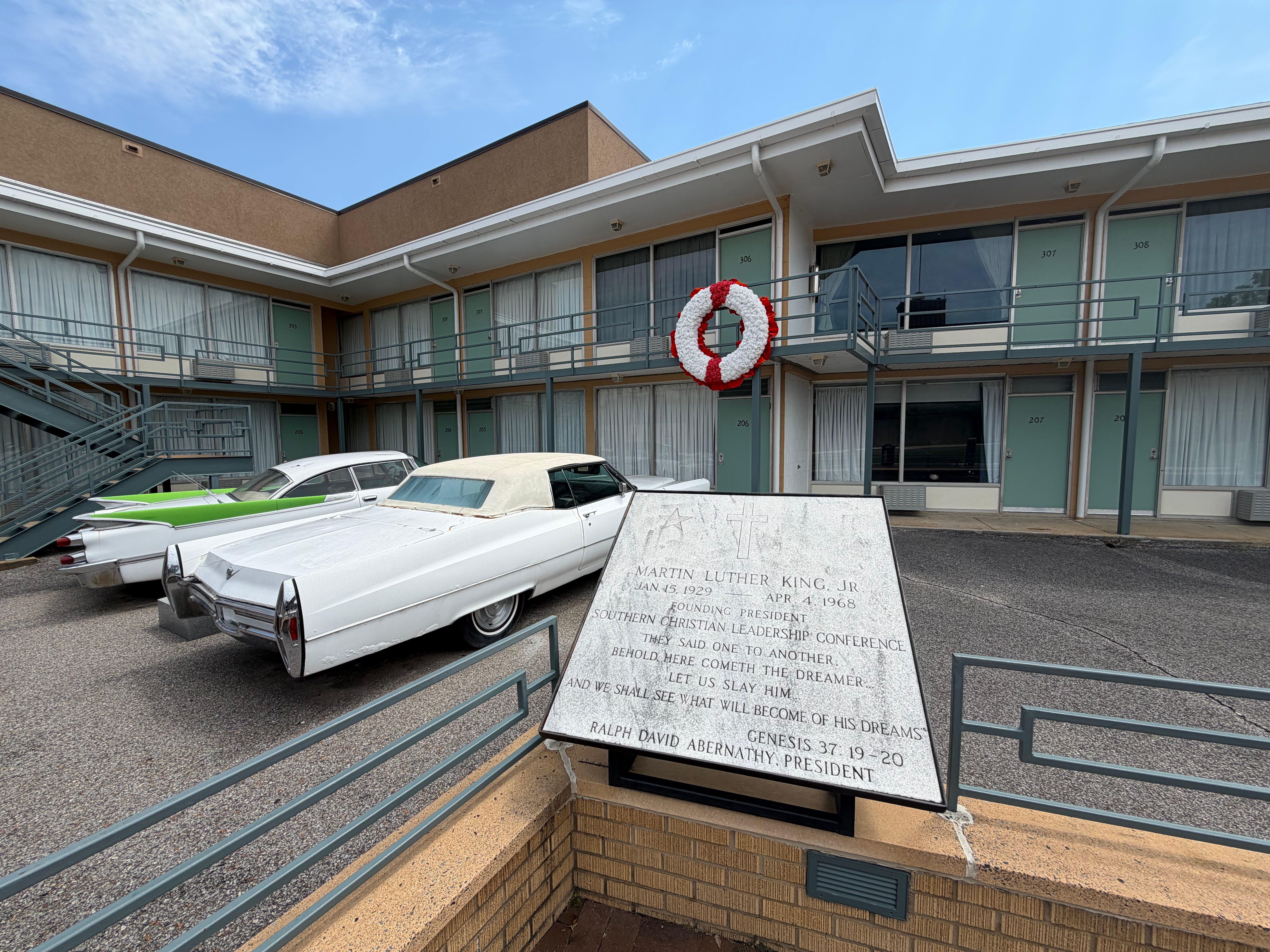
Dr. King’s three evils—racism, poverty, militarism—did not end on April 4, 1968. They adapted. They found new legal frameworks, new legislative vehicles, new judicial majorities. They found new champions in new suits who use new language to pursue the same old project of ensuring that certain Americans have less power than others.
Our response must be equally persistent. Equally organized. Equally resourced. That only happens if we refuse to give up hope. If we refuse to forget history. If we refuse to capitulate to those who would rather install fascism than give up power.
We may not have hit our goal today. But we fight for a better tomorrow. And the good news is this, we still get to decide what that future looks like. So let’s make it one worth living in.
A Letter to the Future
The late great John Lewis once said:
Do not get lost in a sea of despair. Be hopeful, be optimistic. Our struggle is not the struggle of a day, a week, a month, or a year, it is the struggle of a lifetime. Never, ever be afraid to make some noise and get in good trouble, necessary trouble.
The powers that be want us to look at the gutting of the Voting Rights Act, and give up hope. They want us to see the 120,000 polling locations closed since the Supreme Court’s 2013 Shelby decision, and despair. They want us to see the Save Act and its potential passage, and just give in.
We will do no such thing. We will instead resist and persist. Just as we marched 1000 miles through the blistering Mississippi August sun. Just as we withstood torrential rainstorms at 5am in a Tennessee July. Just as we navigated dirt roads to witness the site of the deadliest race massacre in American history in Elaine, Arkansas. And just as we temporarily transformed our march into a community aid program by delivering water and generators to Black and low income families in a Memphis ravaged by rain storms caused by climate change.
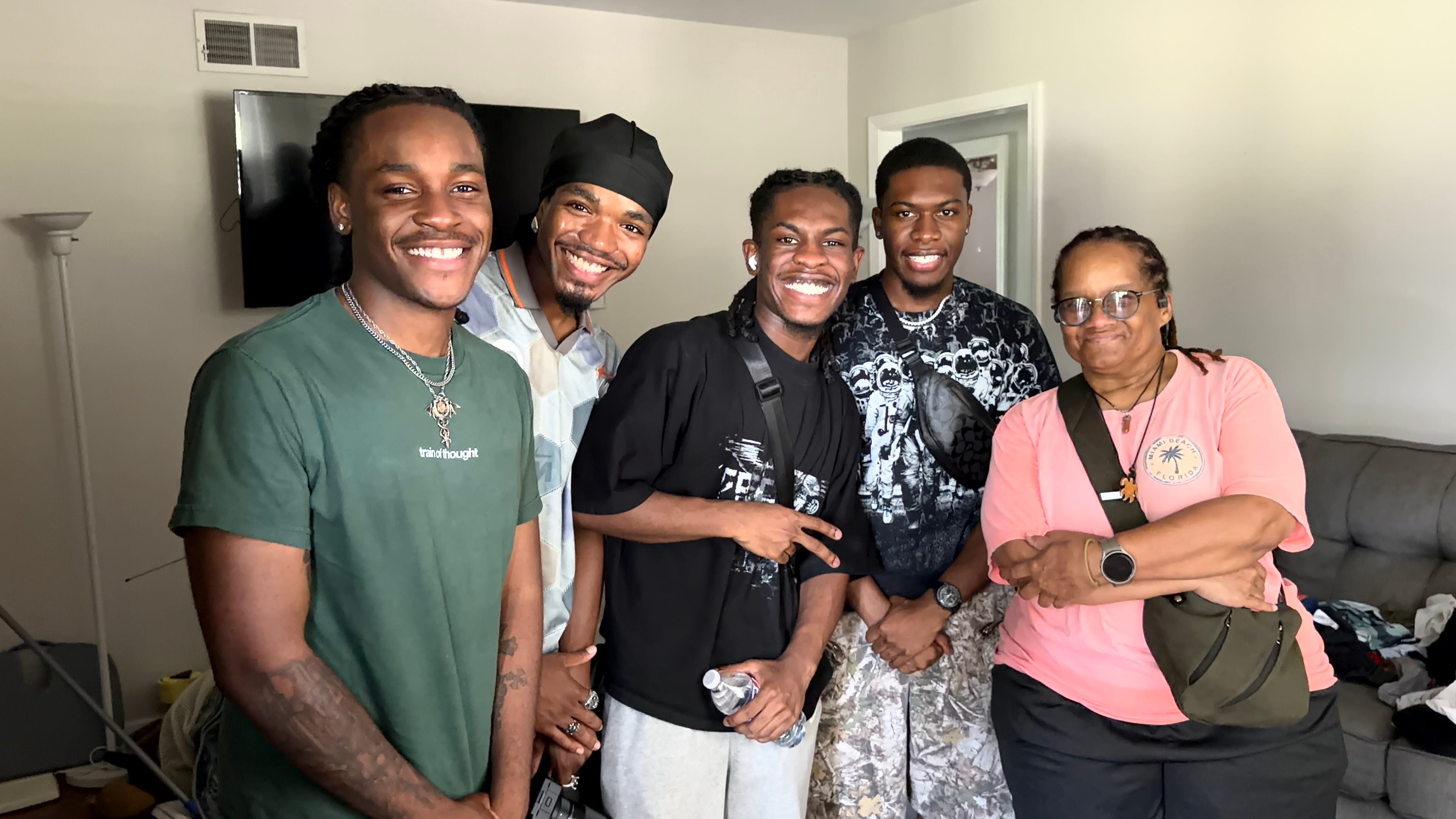
Our letter to the future is one that promises a doubling down of our efforts, a relentlessness in our conviction, and an openness to build our coalition and invite new people every single day. All committed to the cause of absolute justice for all.
Conclusion
If there’s one thing we learned on this journey, it is the harsh truth that those who seek evil have organized better than those who seek justice. We witnessed dozens of organizations doing the hard work, while continuing to juggle the need to raise funds to continue the hard work. If any of the above mentioned organizations appeal to you—donate to them. Invest in them. Elevate them.
We have done the best we could during these past 36 days, and we will continue to partner with them into the future. But we must also build this coalition for justice.
Because this work requires resources. It requires sustained investment. It requires people like you—readers of Let’s Address This—who understand that democracy is not self-executing and that justice does not arrive on its own.
We walked 1,000 miles. We spoke on sacred ground. We donated to the organizations holding the line. And now we come home—not to rest, but to continue.
Because, yes, while 1,000 miles is a long distance, the road to justice is still much, much longer. It traverses this entire nation and 250 years—even longer. It requires relentless organizing, swallowing of egos, and tolerance of shortcomings. But as long as we work united to uplift every person denied equal justice—then we are moving ever closer to our destination. This is a difficult path to work. But we proved on the roads of Tennessee and Georgia and Alabama and Mississippi and Arkansas, that we are willing to walk it.
In the end, all I can say is thank you, and ask you to continue to walk with us.
Indeed, thank you for walking it with us. Thank you for investing in us. And above all, thank you for trusting us. Our journey of 1000 miles began with one step. As it now concludes, we remain inspired, grateful, and hopeful for the next 1000 miles. And the next 1000 miles. And the next 1000 miles. Let us walk it together, and form the more perfect union our Founding Documents call us to build.
Godspeed.
Sincerely,
Qasim Rashid, Esq.
[Just Win Humanity is an IRS registered 501(c)3 and donations are tax deductible]
Qasim Rashid is a human rights attorney, President of Just Win Humanity, and host of Let’s Address This—a platform dedicated to human rights, voting rights, and the accountability that corporate media refuses to provide. Subscribe, share, and let’s remain relentless in our mission for a more perfect Union.
Rather than a monthly subscription, you can now make a one-time contribution to support our human rights platform at any amount that fits your budget.
racism, poverty, and militarism. What they have in common is disregard of one's fellow man. Thank you for your participation and reporting on the march. The National Civil Rights Museum should be visited before visiting Washington DC. DC is a celebration of the plans the founders laid out whereas Memphis honors the actual work, sorrow and cost of taking risks and spilling blood to realize the plans.
There is no speech more moving than King's last one given in Memphis which I discovered when I went there is only a few blocks from where my father was born and lived in his youth. He could have walked easily to hear King speak had he not moved away years before. What would any of us not give to have been present hearing and seeing the man on that hot sweaty night?
Yesterday I demonstrated at a big community gathering with my sign that calls US support of Israel a national shame. A hate filled man came up to me to say that were there no other people around he would beat me to a pulp saying so with a big smile on his face.
There is still work to do.
I am so enraged and saddened by the continual suppression of voting in Texas, the state I reside in. As a privileged white suburban woman, I am so so very sorry and I donate significant funds to organizations fighting for the right to vote. I pray that Talarico, Hinojosa, and others allied with them win so we can turn our cruel and corrupt state government around.