


Today is Eid al-Fitr—the day of joy that comes after a month of fasting in Ramadan.
It is a day of reunion. A day of seeing family and friends. A day of good clothes, warm embraces, overflowing tables, and yes, probably more sugar than any of us should consume. There is beauty in that. After a month of discipline, hunger, prayer, and reflection, Islam gives us a day to celebrate.
But Eid must mean more than comfort. Let’s Address This.
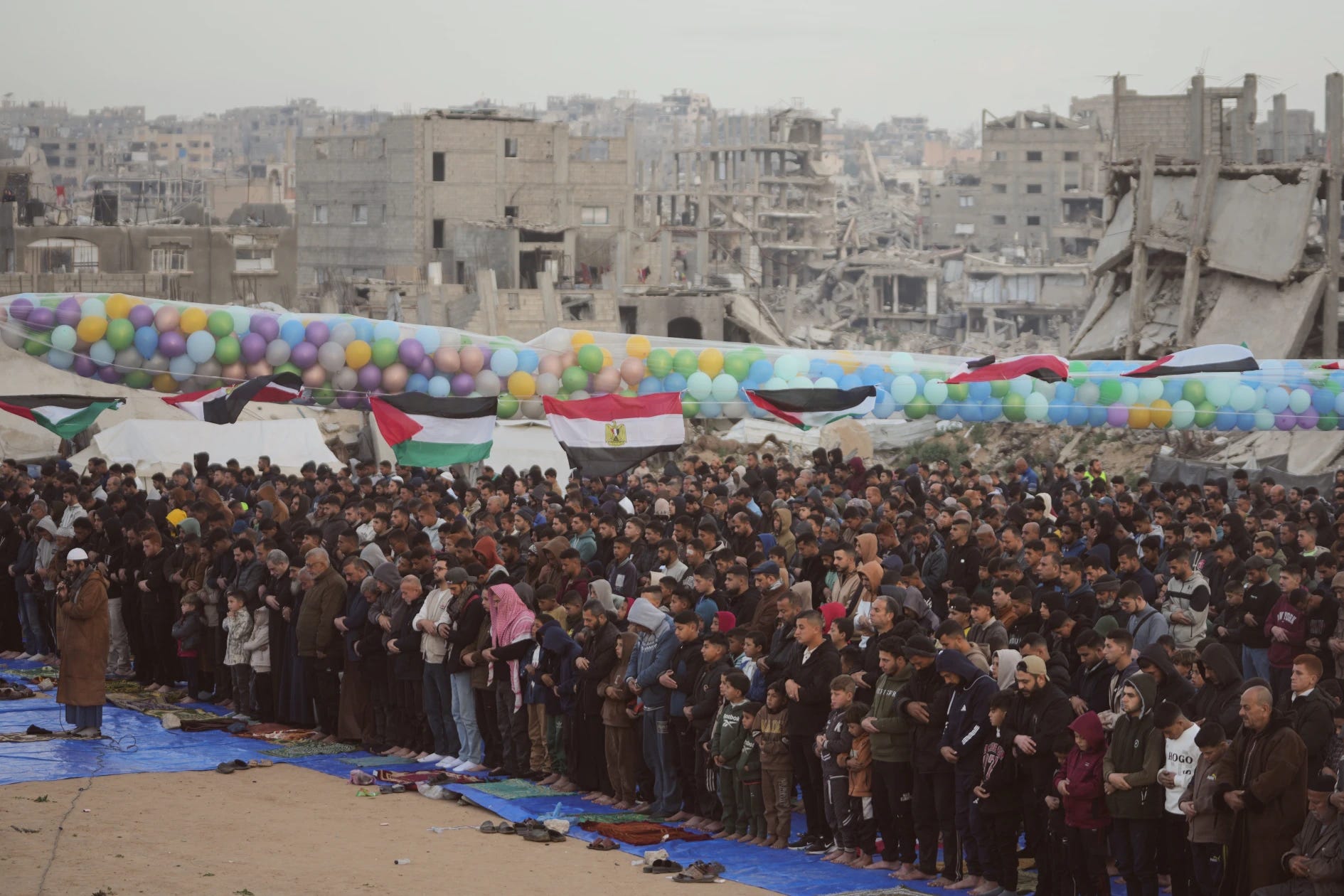
If Ramadan was only about abstaining from food and water, then Eid would simply be the end of a difficult month. But Ramadan is meant to transform us. It is meant to soften the heart, sharpen the conscience, and remind us that our lives are tied to the lives of others.
That is why Prophet Muhammad (sa) taught:
“The first thing that we should do on this day of ours is to pray and then return to slaughter the sacrifice.”
That teaching is profound. Eid begins with prayer—but it does not end there. It moves immediately from devotion to action. The sacrificed animal is not hoarded. It is shared—with family, with neighbors, and especially with the poor. In that way, the day teaches a timeless truth: gratitude to God is incomplete unless it is matched by service to humanity.
That is the real test of whether Ramadan changed us. Did this month make us more aware of those who hunger not by choice, but by circumstance? Did it make us more generous? More courageous? More committed to justice?
Because if our Eid is only about what we eat, wear, and post online, then we have missed the point.
The message of charity in Islam is not tribal. It is not limited by faith, culture, ethnicity, or nationality. The poor are not asked first about their creed before they are fed. The suffering are not required to prove they belong to our community before we care. They are our neighbors in humanity. That is enough.
And today, humanity is suffering.
We see it in Congo, in Sudan, in Gaza, in Afghanistan, in Ukraine, in Iran, and in communities across the United States. We see children buried under war. Families broken by displacement. Workers crushed under poverty wages. Entire nations abandoned to cycles of violence and deprivation that powerful people could stop—but choose not to.
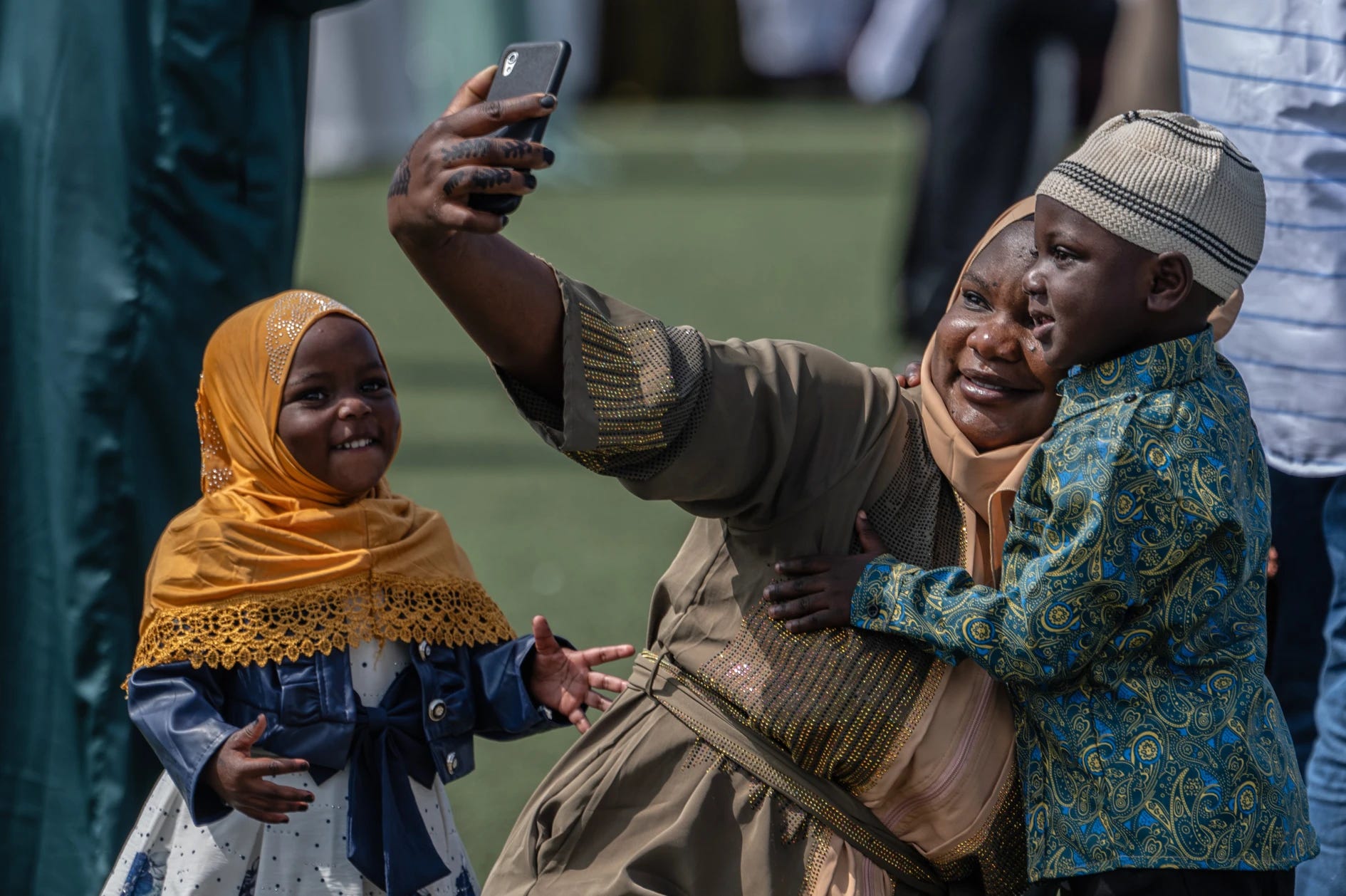
That is the truth we must confront this Eid: much of the suffering in this world is not inevitable. It is political. It is chosen. War is a choice. Abandoning the poor is a choice. Funding violence while cutting aid, housing, education, and healthcare is a choice. Poverty is not a moral failing of the poor. It is too often the moral failure of the powerful.
And Islam does not permit us to be silent in the face of that cruelty.
The Prophet Muhammad (ﷺ) said:
“The best form of jihad is to speak a word of truth in the face of a tyrant ruler.”
So this Eid, let us celebrate—but let us celebrate with purpose. Let our joy deepen our gratitude. Let our gratitude fuel our service. Let our service become courage. And let that courage move us to speak truth against tyranny, to defend the marginalized, and to refuse a world built on exploitation and indifference.
That is what true celebration looks like. Not escaping the pain of the world, but healing it. Not turning away from injustice, but confronting it. Not limiting our love to those closest to us, but widening it until it includes all of humanity.
This is the work I am committed to continuing—to speak truth to power, to challenge injustice, and to build a world more worthy of our children.
I cannot do it alone.
If my work has moved you, taught you, or strengthened your own commitment to justice, I invite you to support my advocacy. Join my efforts. Stand with me. Help me continue this work of confronting tyranny, elevating truth, and building a future rooted in dignity for all people.
Eid Mubarak. And now—let’s get back to the work of justice.
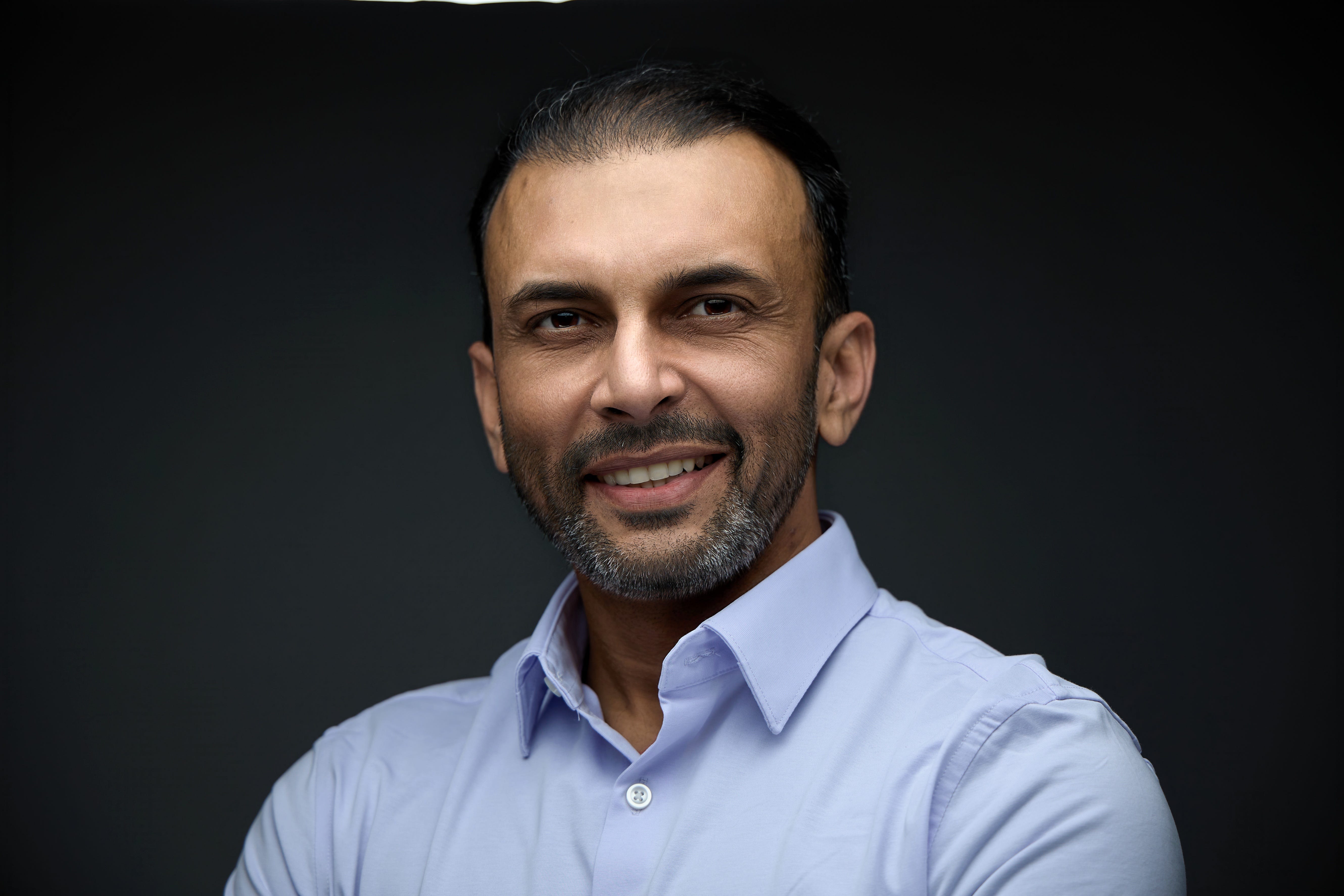
This is the Eid that I was blessed to celebrate, once in my life, with Muslim neighbors.
I saw for myself the compassion and welcoming side of Islam when I spent four months in the border of Afghanistan and Pakistan - But it was the lone year I live in a friend’s townhome that most struck me.
A family that I had only occasionally seen and even less often had chance to talk to showed up at my door, with a plate of food to share with me.
It has stuck with me since, and is one of the first memories to surface when someone says “Islam is evil.”
How can a faith be evil, when its lived experience is kinder and more welcoming than most of the “good Christians?”
I am certain that Allah will call me to serve one day, and on that day I will rejoice.
Until then, Eid Mubarak.
As-salamu alaykum.
Eid Mubarak! Thank you for all that you do! You are doing an excellent job! 🔥💞🎉🇺🇸💯