


As much as I do my best to keep you aware of the injustices we face, I try that much harder to elevate the action items and the organizations working to counter those injustices. One such org is Earthjustice, and I feel compelled to close out the year with this (hopefully inspiring post) about how your support and partnership with Earthjustice is making all the difference in the world. Let’s Address This.

Why Earthjustice, and Why Now
Climate justice is not abstract or theoretical. It is lived—in the health of our air and water, in the safety of our food system, in whether communities are protected or sacrificed, and in whether the rule of law applies to powerful actors or only to everyone else. That is why organizations like Earthjustice matter so deeply. And that is why, as we look ahead to 2026 and beyond, sustained public support for Earthjustice is not optional—it is essential.
So let’s talk about those tangible successes.
Over the past year, Earthjustice has delivered a series of consequential victories that demonstrate what accountability looks like when the law is used to protect people rather than corporate profit.
When the Government Tried to Erase the Science
One of the clearest examples came when Earthjustice successfully restored farmers’ access to vital climate data after the U.S. Department of Agriculture illegally purged it. This was not a technical dispute—it was an existential one. Farmers depend on accurate climate data to plan crops, protect soil, and ensure food security. By stripping that data away, the government undermined both livelihoods and the public interest. Earthjustice’s legal intervention restored transparency and affirmed a simple but critical principle: the government cannot erase inconvenient science to serve political agendas.
From Clean Energy to Food Security to Global Accountability
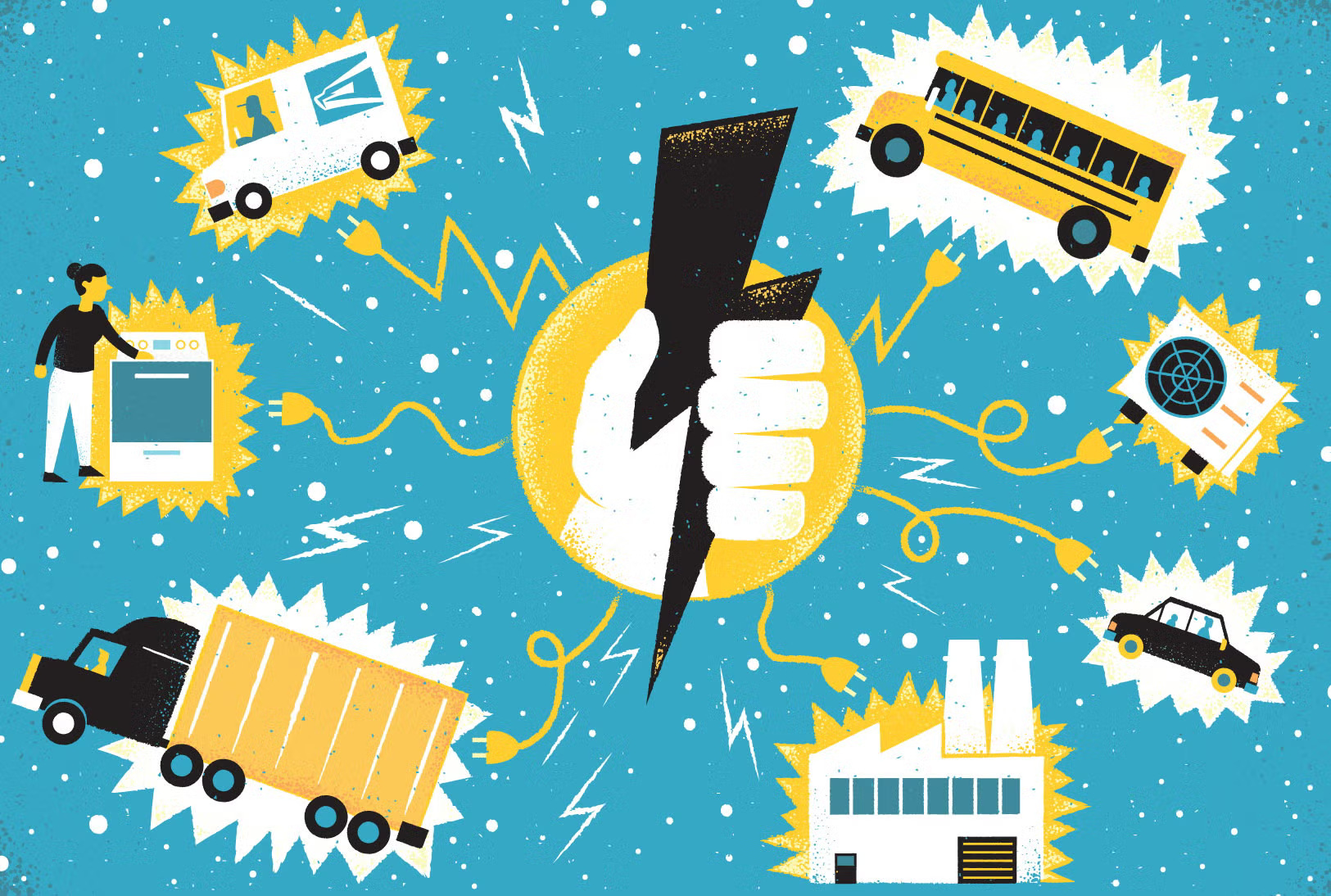
Earthjustice also advanced what many once dismissed as impossible: accelerating the transition to an electrified, zero-emissions future. Through advocacy supporting heat pumps, electrified buildings, and cleaner industrial infrastructure, Earthjustice helped drive a vision of climate action that improves health and quality of life while cutting emissions. This is climate justice in practice—reducing pollution while creating safer living and working environments.
Equally important was Earthjustice’s defense of the next generation of farmers. When federal grants supporting food security and agroecology were unlawfully canceled, Earthjustice went to court and won. The ruling not only reinstated critical funding but set a precedent that could allow hundreds of other grants to be challenged and restored. At a time when climate instability threatens global food systems, protecting farmers and sustainable agriculture is a human rights issue.
And the commitment to accountability extends well beyond U.S. borders. In South Africa, Earthjustice secured back-to-back legal victories defending coastal communities and ecosystems from destructive fossil fuel projects. These wins sent a powerful message: even as environmental protections face rollback in the United States, the rule of law can still prevail globally when communities and advocates refuse to yield.
Two Cases That Reveal What’s at Risk
Two cases from this past year underscore why Earthjustice’s work remains indispensable.
The first involves a reckless plan to construct a massive detention center in the Florida Everglades—one of the most ecologically significant landscapes in the Western Hemisphere. The project moved forward without the environmental review required by federal law and without meaningful public input. Earthjustice, representing Friends of the Everglades alongside the Center for Biological Diversity, sued to stop the plan. This case is not only about immigration detention; it is about whether governments can ignore environmental law, endanger protected ecosystems, and override community voices without consequence. The Everglades is a UNESCO-designated World Heritage site and a critical breeding ground for wildlife. Protecting it is inseparable from protecting the rule of law itself. This case also speaks to the intersectionality of climate justice and human rights. You cannot fight for one without the other–Earthjustice understands that and acts upon that.
The second case delivered a rare moment of corporate accountability. In a landmark settlement, Tyson Foods agreed to stop making unsubstantiated climate claims, including “net-zero by 2050” and “climate-smart beef.” The evidence presented by Earthjustice revealed a stark reality: industrial beef production emits enormous quantities of greenhouse gases—often exceeding the emissions of major fossil fuel companies—and there is no existing technology capable of reducing those emissions to net zero at scale. Tyson’s claims were not just optimistic; they were fundamentally misleading. The settlement now requires proof before climate claims can be made, protecting consumers and exposing the broader problem of unchecked greenwashing across industrial agriculture.
Collectively, Tyson and JBS—the subject of a similar settlement—produce roughly half of all beef consumed in the United States. Holding them to account matters for the climate, for consumer integrity, and for the broader principle that corporations do not get to rewrite reality through marketing.
The Fight Ahead Demands Action
Earthjustice’s work makes one thing clear: progress does not come from goodwill alone. It comes from enforcement. It comes from litigation. And it comes from people-powered institutions willing to confront concentrated power with facts, law, and persistence. Donate today to Earthjustice, and your gift will be matched to double your impact through the rest of the year.
As climate disasters intensify and corporate influence over public policy grows, the need for Earthjustice will only increase. Supporting this work is not charity—it is participation in the defense of our collective future. Climate justice, food security, environmental protection, and the rule of law rise or fall together. Earthjustice is doing the work. In 2026 and beyond, let us continue to support them as they fight on the front lines of climate justice and human rights.

I don’t purchase any Tyson products. Curious if this regime will just walk over any laws put in place. I do know without the receipts the goal is to depopulate by billions. Could this be part of the plan? Not trying to be a conspiracy theorist, but they just disabled the scientific weather and atmospheric research studies in Colorado. I just read it, so I don’t always retain everything correctly. If someone has more specific information please correct me.
Thanks for highlighting the good work Earth Justice is doing. They've been in the forefront of good environmental advocacy for a long time now.