



Did you know that for more than two decades, I’ve been a first responder to climate catastrophe?
I was in Louisiana after Hurricane Katrina, in Hawaii after Lahaina burned, and in Los Angeles after the fires just earlier this year. Overseas, I’ve helped raise close to a million dollars for survivors of floods in Pakistan, earthquakes in Turkey (where I spent nearly two weeks after the earthquake), and natural disasters across Indonesia and Europe.
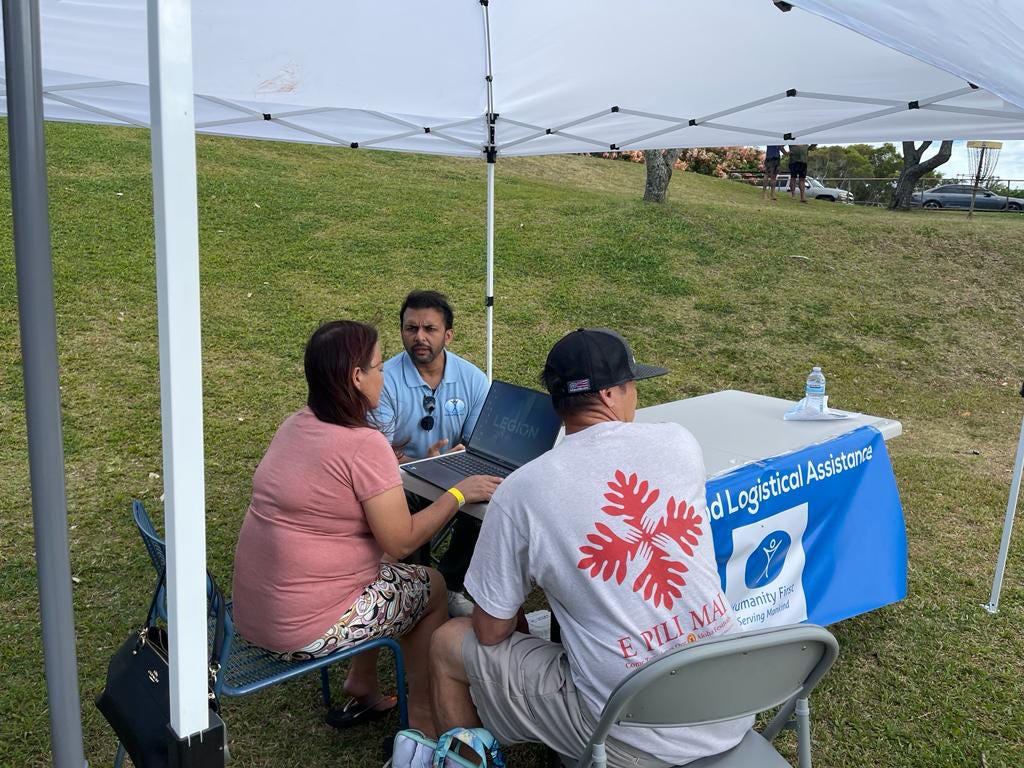
What I’ve learned after every disaster is this: the cost of inaction is far greater than the cost of action. You can rebuild a house, but you cannot always rebuild a life. You can replace a roof, but not a lifetime of memories. And every year that we delay holding polluters accountable, we deepen the cycle of loss, grief, and preventable suffering.
As a human rights lawyer, I’ve spent my career representing people whose lives have been upended by forces larger than themselves—war, persecution, famine, or corporate greed. And I can tell you, the fossil fuel industry has perfected that last one. For decades, they lied about the science, blocked climate policy, and shifted the costs of their destruction onto working people. The result is a global crisis that’s not just environmental—it’s economic, moral, and deeply personal.
The True Cost of Climate Deception
Across America, families are paying the price—literally. Electricity bills are skyrocketing not because of clean energy policy, but because climate-fueled disasters are driving up costs. When storms, wildfires, and floods destroy power grids, utilities rebuild—and send the bill straight to customers.
This is a global catastrophe, and Americans nationwide are feeling the hurt. I just returned from Portland, Maine, last week. In Maine, storm recovery costs have surged more than thirtyfold since 2020. Every nor’easter now forces Central Maine Power to spend millions replacing equipment and clearing lines. Regulators approve surcharges, and those costs get passed directly to you.
I was also in Los Angeles last week. In California, utilities have spent billions on wildfire prevention—burying power lines, trimming trees, insulating wires. Those are necessary investments, but state filings now show that wildfire-related expenses account for up to 10% of the average electricity bill.
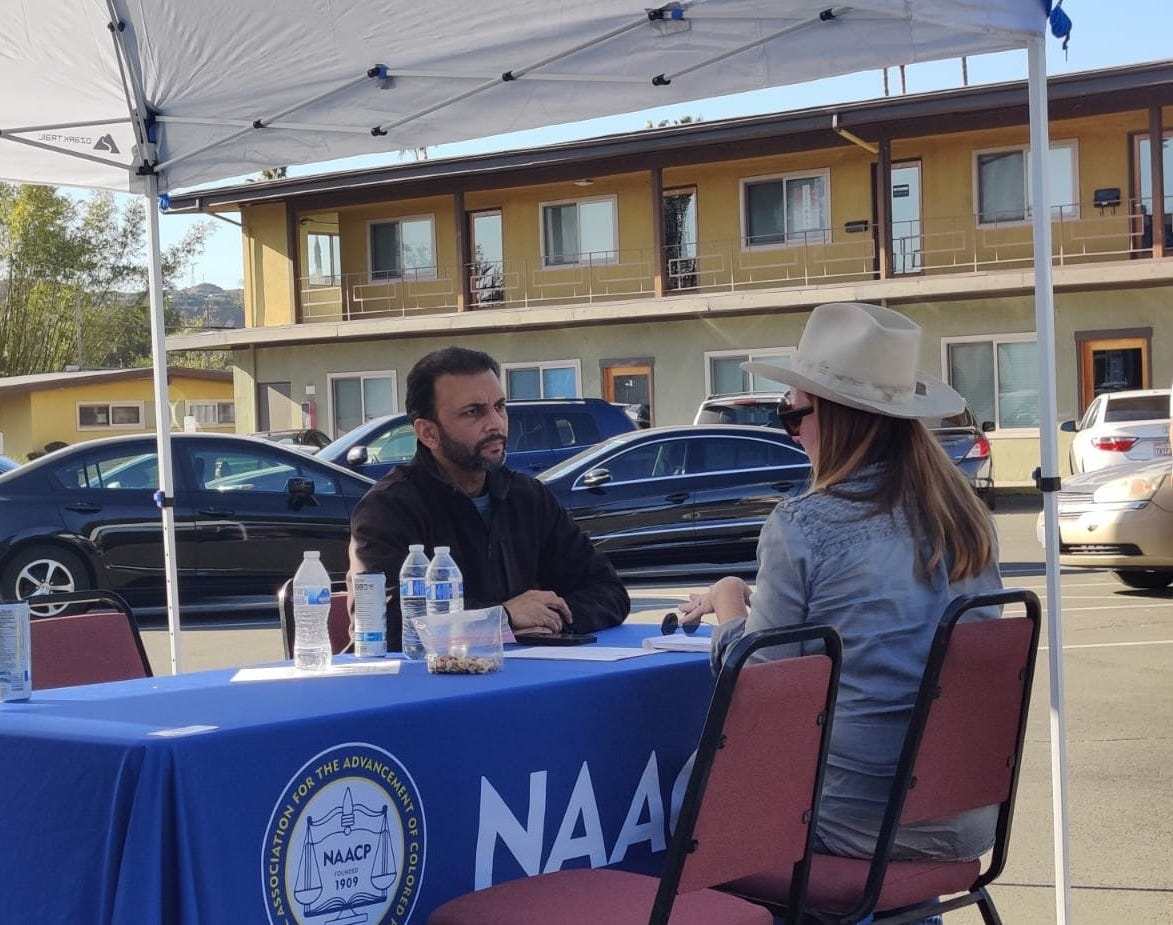
Over the summer as I drove through Oklahoma and stopped to meet a friend, I learned that during the 2021 winter storm, gas prices spiked 400-fold in a single week. Instead of companies absorbing that cost, the state let them pass it on to customers. Families will be paying for that storm for the next 25 years.
These aren’t isolated examples. Utilities in 49 states and D.C. have raised—or plan to raise—rates within the next two years. By 2028, those increases are projected to add nearly $90 billion to household energy bills. This is unsustainable and indefensible.
And let’s be clear: this isn’t an act of God. It’s the direct result of an industry that knew its product was destroying the planet and chose to lie about it for profit.
The Economic Justice We Deserve
We are not hopeless. And we need to act by supporting the orgs fighting this fight on the front lines. Make Polluters Pay (MPP) is one such campaign. They are building a movement that’s finally forcing accountability where it belongs. The idea is simple: the polluters who caused the damage should pay to fix it. Not families. Not small businesses. Not taxpayers. But the corrupt corporate culprits.
The Climate Superfund legislation MPP advocates for is modeled after the 1980 Superfund Act that forced chemical companies to pay for toxic waste cleanups. Now, states are advancing similar laws to make Big Oil—ExxonMobil, Shell, BP, Chevron, and others—pay for the climate damages they caused. So far, climate superfund legislation has passed in Vermont and New York, and 10 other states are considering it. That money would go directly into state-managed funds to rebuild communities, harden infrastructure, and prepare for future disasters.
Meanwhile, more than 35 states and municipalities are suing fossil fuel corporations for decades of deception, just like the lawsuits that held tobacco and opioid companies accountable. And the tide is turning—court after court has allowed these cases to move forward, recognizing that Big Oil’s conduct wasn’t just negligent; it was deliberate fraud.
I only lend my voice to movements that are doing real, tangible work—and Make Polluters Pay is leading that charge. They’re not chasing headlines. They’re demanding accountability. They’re building the foundation for climate justice rooted in fairness and moral accountability.
Join The Fight For Climate Justice
I’ve been in the wreckage. I’ve seen the pain. I’ve also seen the strength of communities who rise up to rebuild when the government fails them. They deserve justice.
That’s why I’m asking you to join me in supporting Make Polluters Pay. They’re the tip of the spear in this fight for climate accountability, and they need our collective power behind them.
Join our effort and demand that polluters—not families—pay for the destruction they caused.
We can no longer afford to pretend the cost of inaction is free. The only way forward is accountability. The only way forward is justice. Let’s make polluters pay—and let’s make it now.
Two of the worst: "Coca-Cola creates approximately 3.224 million metric tons of plastic annually, while PepsiCo produces around 2.5 million metric tons" Time for a boycott. Do youself a favor and stop drinking this liquid high fructose corn syrup! And help save the planet! https://fortune.com/2024/11/01/coca-cola-pepsi-plastic-pollution-lawsuit-los-angeles-county/
Bravo.
But AFAIC, the key is accountability before the disaster. It''s not impossible, just requires breaking the corporate hold on governments and regulatory bodies (the biggest challenge)...and consumers boycotting products that pollute, ( like single use plastics. polyester clothing, ready-meals....) -something we all could do.