


Most people have never heard of the Roadless Rule, but it’s probably the single most important reason America’s natural beauty continues to shine forth. At the end of this article, I'm going to ask you to take one, brief, critical action to protect our environment. It's free, and it's seismic in its impact. But first, let me explain exactly what's at stake if we refuse to act.
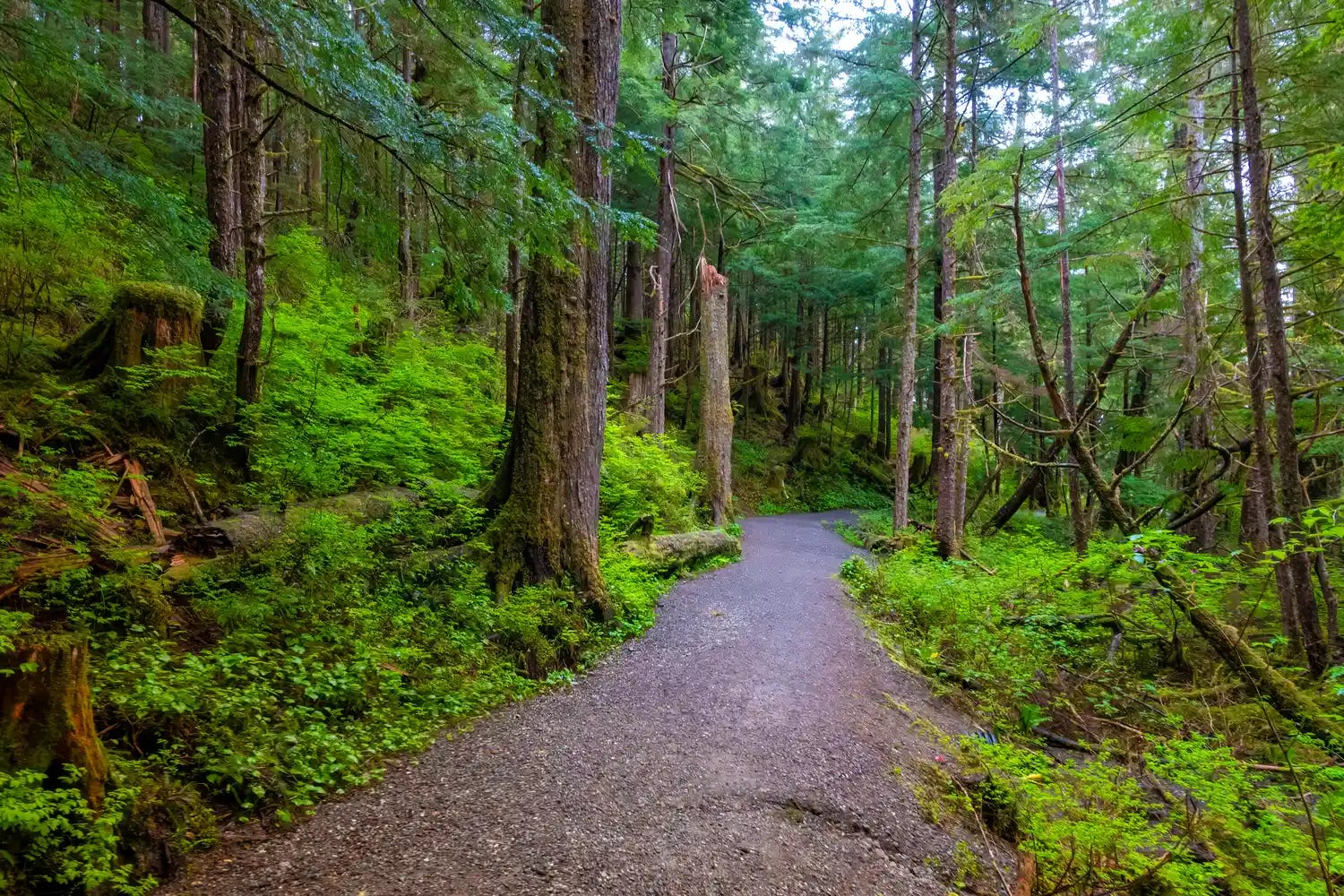
Some of the most breathtaking places in America are not the ones on postcards. They are the ones you have to earn — trails that wind through old-growth forests so quiet you can hear your own heartbeat, rivers so clear they look like glass, ridgelines that remind you this country is extraordinarily blessed with natural beauty.
Those forests, rivers, and mountains are not luxuries. They are part of the shared inheritance of the American people.
That is precisely why the Roadless Area Conservation Rule — more commonly known as the Roadless Rule — is one of the most important environmental protections in the United States. And today, it is under threat of being gutted, an act that would cause irreparable harm to America’s national forests for generations. Let’s Address This.
What Is the Roadless Rule?
Adopted in 2001, the Roadless Rule protects nearly 25 million acres of national forest lands — roughly one-third of the entire National Forest System, managed by the U.S. Forest Service under the Department of Agriculture. These lands represent some of the last remaining large, intact forests in the country — places that have not yet been carved up by logging roads, industrial extraction, and fragmentation.
The rule does something deceptively simple but profoundly important: it prevents new road construction and most large-scale logging in these remaining roadless areas.
That protection matters more than most people realize.
Roadless areas contain over 9 million acres of old-growth forests, including places like Alaska’s Tongass National Forest, the largest intact temperate rainforest on Earth. Old-growth trees are not easily replaced. They take decades, often centuries, to grow, and they play an outsized role in storing carbon, stabilizing ecosystems, and protecting biodiversity.
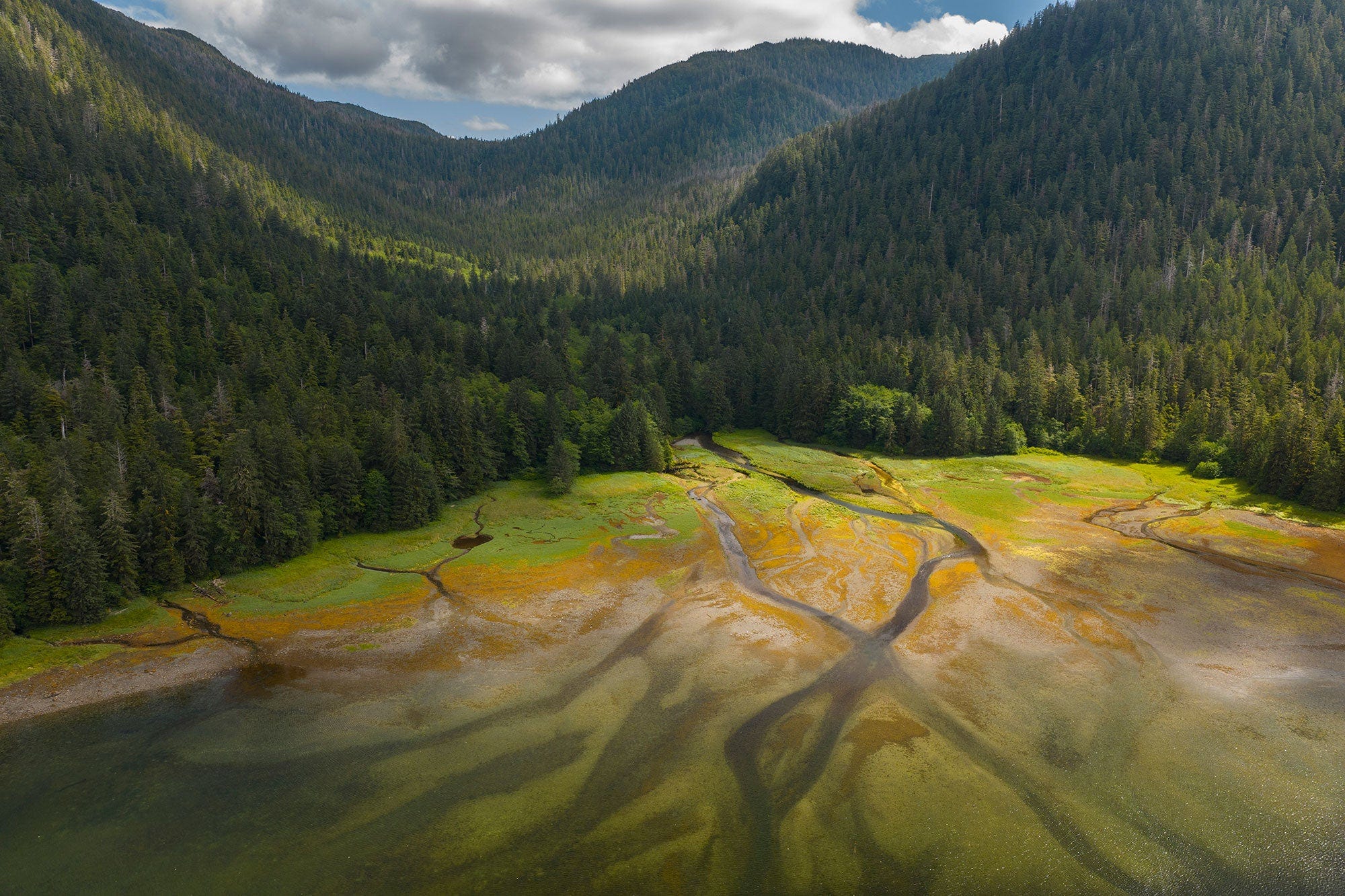
These forests also serve as critical habitat for wildlife. Roadless areas support more than 300 species of conservation concern, including iconic animals like grizzly bears, wolves, and salmon. For these species, intact forests function not just as homes but as migration corridors and climate refuges in an increasingly unstable world.
But the importance of these forests extends far beyond wildlife.
If you like drinking clean, fresh water, know that roadless areas protect the headwaters that supply drinking water to more than 60 million Americans. Forest ecosystems act as natural filtration systems. When forests remain intact, they filter pollutants, regulate water flow, and protect watersheds that communities rely on every day. When forests are stripped for logging and fragmented by roads, that natural filtration disappears — and the cost of water treatment rises dramatically. The watersheds protected by roadless areas save Americans tens of billions of dollars in water treatment costs each year.
They also support recreation for millions of people who hike, camp, fish, hunt, climb, and paddle through public lands that belong to all of us. This is why the Roadless Rule has remained one of the most widely supported environmental protections in the country.
Yet today, those protections are under direct threat.
The Trumpian Threat to the Roadless Rule
The Trump administration’s Department of Agriculture, under Secretary Brooke Rollins, has moved to gut the Roadless Area Conservation Rule, effectively opening these national forests to logging and new road construction. The justification offered is the familiar language of economic development and resource extraction. But the reality is much simpler: powerful corporate logging interests stand to profit massively from dismantling protections that have preserved these lands for a generation.
And 99% of citizen input opposes doing so.
That raises a deeper question about the direction of our country.
At a time when wealth and income inequality are reaching historic extremes, we are watching billionaires purchase media companies, social media platforms, banks, retail chains, and increasingly every commodity imaginable. Corporate consolidation is reshaping nearly every aspect of public life.
Our natural landscapes must not become another asset class for exploitation.
Our public forests are not the private property of corporations. They belong to the American people. The lands protected by the Roadless Rule are part of a national trust — preserved not for short-term profit but for long-term stewardship, administered by the Forest Service on behalf of every American.
As a human rights lawyer, I have spent much of my career arguing that certain fundamental principles must remain beyond the reach of political convenience. The same principle applies here. Public lands are not merely economic resources. They are shared inheritances that carry ecological, cultural, and moral significance.
Once old-growth forests are cut down, they do not come back in our lifetimes. Once ecosystems are fragmented by roads and industrial development, the damage often becomes permanent. And once we allow corporate interests to dismantle protections that have safeguarded these lands for decades, the precedent becomes far easier to repeat elsewhere.
This is not an abstract policy debate. It is a question about what kind of country we intend to leave to future generations.
Do we preserve the forests, rivers, and wildlife that make this nation extraordinary? Or do we allow them to be sacrificed for short-term profit by industries that will move on long before the environmental damage is repaired?
The quiet trails, the towering old-growth trees, the clean rivers running cold through intact watersheds — these places exist because previous generations chose preservation over exploitation. They understood that some things are too precious to sell. We must understand that today, and fulfill our obligation to the next generation.
What You Can Do
The Roadless Rule is one of the policies that has helped protect America’s most sacred wild places — not through the National Parks Service, but through the U.S. Forest Service, which manages over 190 million acres of national forests and grasslands on behalf of the American public. It is not radical. It is not partisan. It is simply a recognition that some landscapes must remain intact if we want our children and grandchildren to experience the same beauty we have been fortunate enough to witness.
The question before us now is whether we will defend that principle.
NRDC (Natural Resources Defense Council) is part of a broad coalition leading the effort to defend the Roadless Area Conservation Rule, and you can add your voice. Leave a public comment before the deadline on October 6 using the link below. It takes minutes and it matters.
Our public forests belong to all of us. Protecting them should not be controversial. It should be the bare minimum we expect from a nation that understands the value of stewardship.
And if we want these forests to remain standing — if we want the wolves, the salmon, the grizzly bears, the clean rivers, and the quiet trails to endure — then we must raise our voices and insist that the Roadless Rule remain intact.
Because once these forests are gone, no amount of money will bring them back.
Qasim Rashid is a human rights attorney, author, and host of Let’s Address This—a platform dedicated to human rights, environmental justice, and the accountability that corporate media refuses to deliver. Subscribe, share, and let’s remain relentless in our mission for a more perfect Union.
As an alternative to a paid subscription, by popular demand, you can now make a one-time contribution to support our human rights platform.
Our hydrologic cycle and, in fact, climate rely on contiguous (uninterrupted forests) to balance the climate.
I follow the “More than just parks” Substack by Will & Jim Pattz, I recommend it. They have explained this in depth. It really is a crime against future America to the highest degree because once a road goes in, the “wilderness” designation and protection is out the window. That’s the obvious point but I think it bears repeating.