


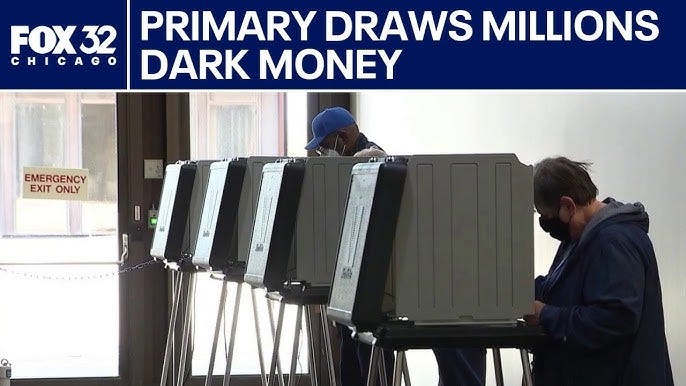
Last night was the Illinois Democratic primary, and we need to talk about what happened. We must have this conversation if for no other reason than this: Illinois was only the fifth primary in this midterm cycle. Forty-five more states remain. That reality should focus our attention, because what we just witnessed in Illinois was not an isolated political contest. It was a preview of what elections across this country will look like if current trends continue—a system saturated with dark money, shaped by AIPAC and crypto billionaires, amplified by emerging AI tools, and influenced by industries like online gambling that see elections as investments rather than civic exercises. Here’s what happened in Illinois, and how we turn the tide nationwide.
Let’s Address This.
The Big Upset
To be sure, all is not doom and gloom in Illinois. Illinois also offered a clear demonstration that even in the face of overwhelming outside spending, voters still have the capacity to assert control over their democracy.
Let’s start with the biggest upset of the night—Julianna Stratton over Raja Krishnamoorthi. Facing $30 million in opposition spending from MAGA-aligned billionaires, AIPAC networks, and crypto-backed super PACs, Stratton ran on a platform rooted in substantive policy commitments—universal healthcare, raising the living wage, and abolishing ICE. These are not fringe ideas. They are policies grounded in human dignity and economic justice. And despite the extraordinary financial pressure deployed against her, voters showed up. Not only did she win—she won decisively by more than 51,000 votes.
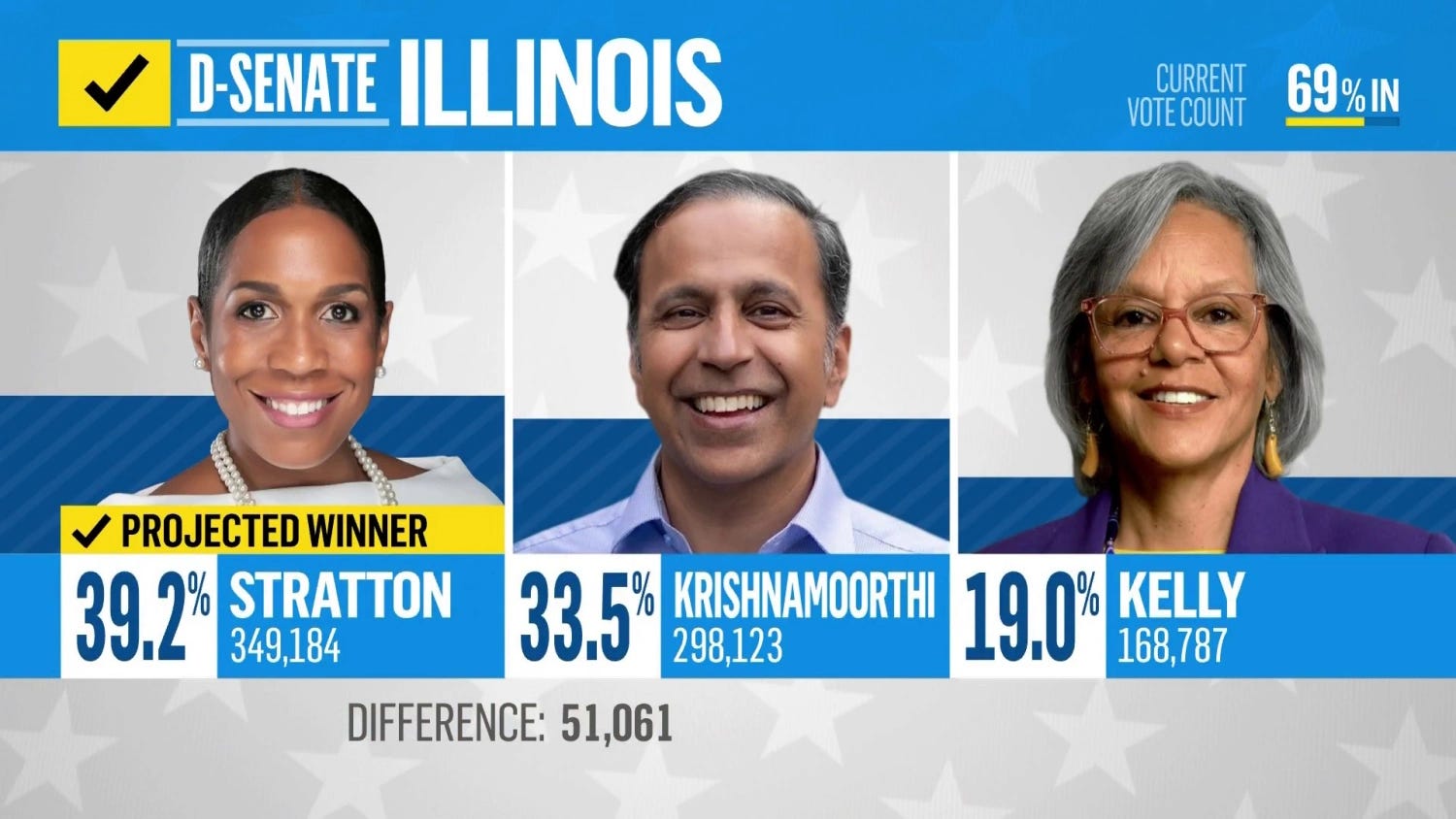
And even for those who may not fully align with every aspect of Stratton’s platform, it is difficult to ignore that her positions represent a meaningful shift from the status quo. She is, by any reasonable measure, more progressive than her predecessor, Dick Durbin. The contrast is instructive. When was the last time Durbin called to abolish ICE? When did he center his platform on structural economic reform in the way we are now seeing from newer candidates? And while it is true that some AIPAC-aligned donors contributed to Stratton’s campaign, she has been explicit that she does not seek or welcome that support. That alone represents a notable departure from prior political norms, particularly when contrasted with Durbin’s long-standing relationship with AIPAC, including being the first politician AIPAC publicly supported.
The Successful Influence of Dark Money
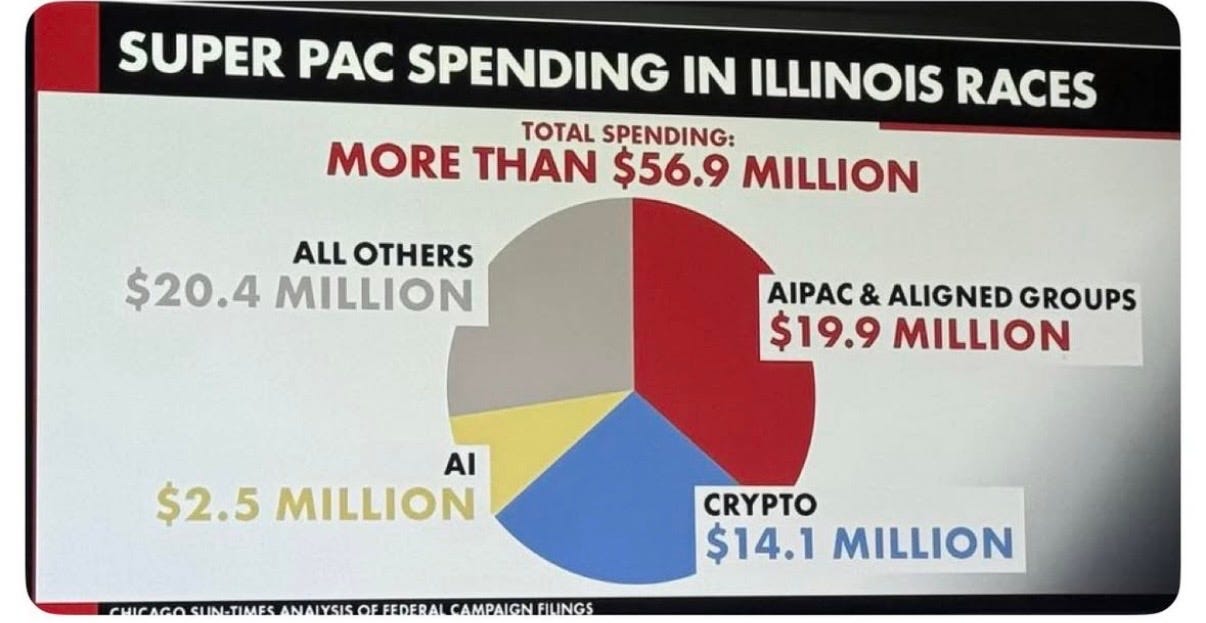
AIPAC, despite securing only two clear wins in Illinois—Donna Miller in the 2nd District and Melissa Bean in the 8th District—is now taking a victory lap, attempting to claim broader credit for outcomes in races where progressive candidates who spoke openly about genocide and international law did not prevail. This is not analysis. It is narrative construction. It is an effort to shape perception in advance of the remaining 45 states yet to vote. Their petulant claim that “being pro Israel is good politics” is not grounded in fact. The reason “pro-Israel” candidates are winning is not because of principle, it is because of tens of millions of dark money spend against progressives. This includes even quasi-progressives like Biss in the 9th district who pummeled AIPAC Candidate Laura Fine and snuck past Progressive Kat Abughazaleh, all while refusing to condemn the genocide in Gaza.
As Leaders We Deserve President David Hogg aptly put it:
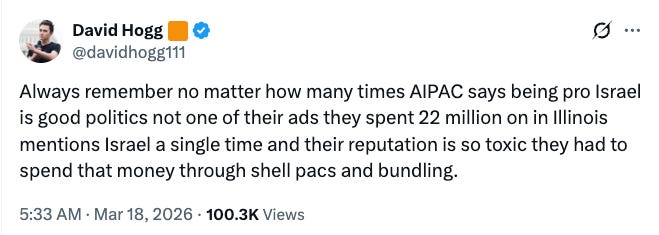
AIPAC knows its brand is toxic. It knows Americans despise its promotion of genocide in Palestine, war on Iran, and unlimited occupation of the West Bank. It is not “good politics” to support these horribly unpopular ideas—it is bought politicians who help maintain that status quo. AIPAC knows above all else that the public American sentiment has shifted heavily against Israel, with more Americans now sympathizing with Palestinians than with Israelis. And they are spending historic sums to prop up a dam that is ready to break open and let the voice of working people be heard.
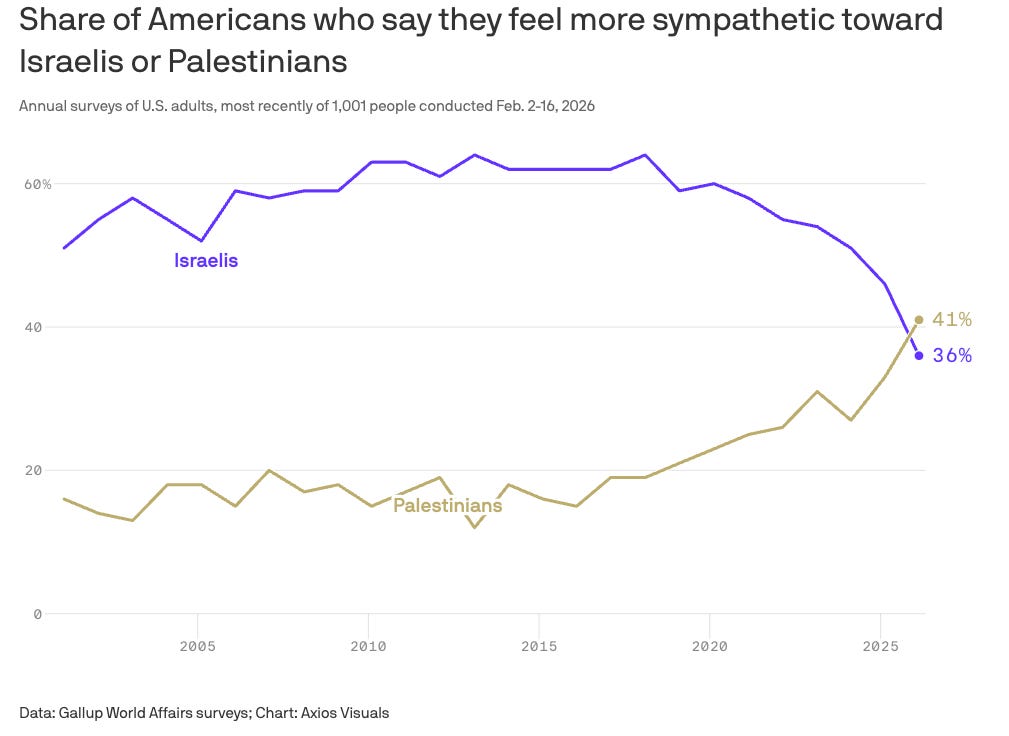
Illinois, in that sense, reflects both continuity and change. The influence of money remains significant, but it is no longer uncontested. AIPAC and dark money groups spent an unprecedented $70M to try to maintain the status quo, and still only won two of their preferred candidates. That outcome alone should challenge the conventional narrative that money is destiny in American politics. Thus, we must recognize this shift, understand that it is not happening as fast as anyone would like, but still appreciate that we are seeing glimpses of what the future can look like when we activate and organize against dark money.
The Mistake Progressives Must Avoid
Predictably, we will hear that progressives lost because they failed to unify behind a single candidate. We will hear that they ran “too far left,” despite the fact that no one has ever credibly explained why positions such as healthcare as a human right or opposition to genocide fall outside the bounds of reasonable political discourse. We will hear that they needed to raise more money, even though many progressive campaigns demonstrated strong fundraising capacity under conditions that were already structurally tilted against them. Journalist Kat Abughazaleh in the 9th district raised roughly $4 million from a breathtaking 65,000 different donors—outpacing all of her opponents.
These explanations are not only incomplete. They are counterproductive.
It would be a profound mistake for progressives to respond to this moment by turning inward and assigning blame to one another. We do not build political power by discouraging people with strong ideas and moral clarity from entering the arena. We do not win by telling candidates to step aside before voters have had the opportunity to hear them. That approach does not strengthen movements. It weakens them.
I say this not as an observer, but as someone who has run for office. I have won primaries I was not expected to win, and I have lost general elections I was not expected to win. I understand, at a very personal level, how much it costs to run—the time, the financial strain, the emotional toll on families, and the reality of being targeted by millions of dollars in attack ads designed to distort your record and undermine your character. Anyone who steps forward to run, regardless of the outcome, deserves respect for that commitment. The worst thing we can do in this moment is pile on those who had the courage to put themselves forward.
We must instead evaluate what worked, refine what did not, and prepare for the next round of elections with greater clarity and coordination.
Because make no mistake: the scale of spending we just witnessed in Illinois should concern anyone who values democratic accountability. More than $70 million in outside money was deployed in this primary alone, not to build new ideas or expand opportunity, but to preserve existing power structures. And even with that level of investment, the results were not absolute. The system is being defended aggressively precisely because it is under pressure. The dam is ready to break open.
Let’s break it open.
That pressure is coming from candidates and voters who are shifting the political center of gravity. Looking ahead, there are several lessons that must inform how we approach the remaining primaries, to continue to shift that center of gravity towards justice and human rights. Towards the needs of working families.
Four Actions We Must Take
Collaboration: First, there is an urgent need for collaboration among progressive and working-class candidates. Dark money and MAGA-aligned interests are operating with coordination and strategic alignment. If we respond with fragmentation, we are conceding ground unnecessarily. Unity does not require uniformity, but it does require a shared understanding that we are engaged in a common effort to defend democratic governance against concentrated financial power. We need national leaders like Summer Lee, Ro Khanna, Ayanna Pressley, AOC, and Maxwell Frost to help coordinate that effort.
Voting Reform: Second, we must confront the structural limitations of our electoral systems. It should not be acceptable in a democracy for a candidate to win an election, when more than 70% of voters preferred someone else.
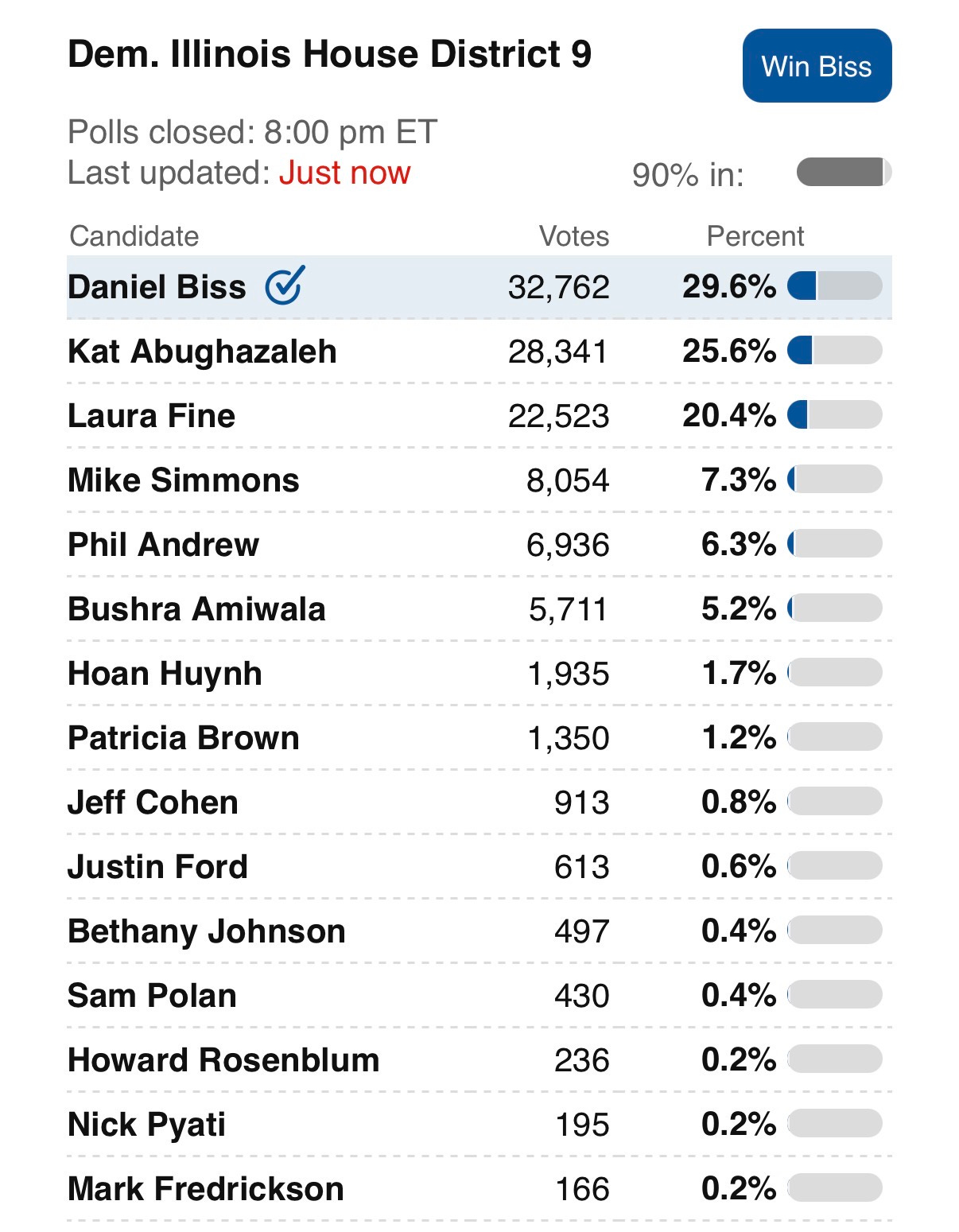
Systems like Ranked Choice Voting or runoff elections provide mechanisms to ensure that elected officials have majority support. Even states with restrictive voting systems, such as Texas, recognize the necessity of runoff elections to achieve that outcome. Expanding such systems nationally would represent a meaningful step toward more representative democracy. The Democratic Party could instill in their own bylaws a system of ranked choice voting or runoff elections. This is simply a matter of will, and we should demand it.
Effective Organizing: Third, we must invest in better tools for organizing, communication, and voter engagement. Campaigns cannot rely solely on traditional methods in an environment where opposition spending is both massive and technologically sophisticated. My team and I have already begun developing tools designed to enhance voter collaboration, education, and turnout in ways that are scalable and adaptable. For example, Sway is a free app, and is sweeping the nation by helping organizers build voting groups to push forward critical policies and support their candidates of choice. I encourage you to sign up and get involved in your local primary immediately.
And I welcome collaboration with any candidate who participated in this primary. The infrastructure we need to win future elections will not build itself. As the saying goes, the best time to plant a tree was twenty years ago. The next best time is now.
Media Investment: Finally, and perhaps most critically, we must build and sustain independent media platforms that are accountable to people rather than corporate owners. Media outside the reach of billionaires and corporate outlets. As traditional media continues to be consolidated by billionaire interests, the narratives shaping our elections will increasingly reflect those interests unless we actively create alternatives. That is precisely why I am committed to expanding Let’s Address This—to provide rigorous, independent analysis that centers economic justice, human rights, and the lived realities of working families.
But that work requires support.
If you are looking for a moment to engage more deeply, to invest in building something that can challenge the influence of dark money and amplify people-powered movements, this is that moment. Expanding this platform—at the state level and nationally—depends on growing a community of readers who are willing to support it not just with attention, but with resources.
Because what we saw in Illinois is coming to the rest of the country. And the question is no longer whether that future will arrive. It is whether we will be prepared to meet it.
Conclusion
The Illinois primary election revealed more than just who won or lost. It revealed the scale of what we are up against.
More than $70 million in outside money poured into our Democratic primary. AIPAC networks, crypto billionaires, and corporate PACs did not simply participate in this election—they attempted to dominate it. And even now, we are watching a coordinated effort to rewrite the outcome, to claim sweeping victories where only limited ones occurred—all to project power and discourage opposition.
But Illinois also proved something just as important: this system is not unbeatable.
This was the message Kat Abughazaleh courageously left us with last night.
Despite tens of millions spent to shape the narrative and the result, voters still showed up and delivered a decisive victory for a candidate running on human dignity, economic justice, and the rule of law. That is not a small thing. That is proof that money alone does not determine outcomes—unless we allow it to.
The real danger now is misdiagnosing this moment. If we respond by turning on one another, by discouraging strong candidates from running, or by shrinking our vision out of fear of being labeled “too far left,” then we hand victory to the very forces trying to control these elections.
Because this is not normal politics. This is an attempt to turn democracy into a marketplace—where policies are influenced, if not decided, by those with the deepest pockets. And if we do not confront that reality now, while 45 states still have yet to vote, it will only accelerate.
The path forward is clear. We organize at scale. We collaborate instead of divide. We invest in better systems, better tools, and independent media that is accountable to people—not billionaires.
And we make it unmistakably clear that our democracy is not for sale. There is still time to get this right. But only if we choose to act.
Let’s get to work breaking open that dam.
Thank you, Qasim, for breaking this all down. I'm heart broken for Kat, but she came close and that's a good sign. Hopefully, we can all keep up this momentum. Grateful for your analysis and direction.
'The reason “pro-Israel” candidates are winning is not because of principle, it is because of tens of millions of dark money spend against progressives.' -- 🎯🎯🎯