


American politics is not just polarized — it is being fundamentally restructured in real time. The old red vs. blue is giving way to something far less predictable and far more consequential: people-powered movements challenging entrenched political machines, and unlikely coalitions forming in response to systems that have failed working people across the board.
In this guest essay, Ade Salami, Program Director of Pro-Democracy Political Coalitions at Democracy 2076, examines Minneapolis as a case study for that shift. Drawing on her experience leading cross-party coalition work, as well as her time as a Senior Policy Aide to Minneapolis City Council members and a principal at Park Street Public specializing in bipartisan policy advocacy, she offers a grounded look at how new political alliances are taking shape — and what they signal for the future of power in the United States. Let’s Address This.
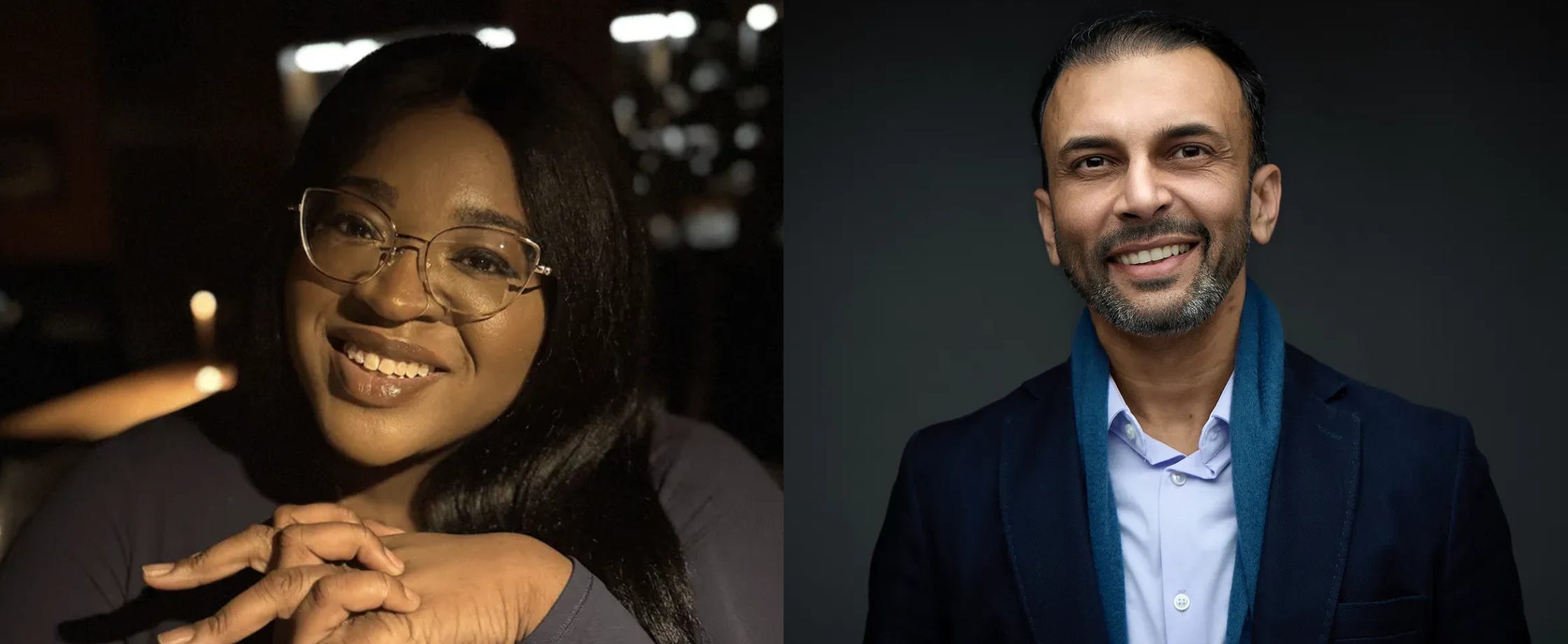
Guest Post: What Minneapolis Can Teach Us About How Our Politics Are Changing
By: Ade Salami
American politics are organized as if the coalitions of the past still exist. Issues animating our political divide are no longer a matter of party—anti-imperialists and America First supporters can share a goal of ending U.S. involvement in foreign wars. With issues putting progressives and conservatives on the same side, it’s hard not to wonder: what’s going on?
The answer, I’d argue, is a political realignment—when party coalitions, underlying ideologies, and the issues that divide them change. By the time we call something the New Deal or Reagan era, it’s already happened—and the opportunity to shape it has closed. So how can you shape a realignment instead of just watching it? This question led me to look for where the shift is already visible. One of those places is my home; Minneapolis.
Minneapolis: Signs That Change is Here
Minneapolis has been showing us something that hasn’t entered the national conversation yet. Twice in six years, this city has produced coalitions nobody planned—because people were hurt, scared, angry, and fed up.
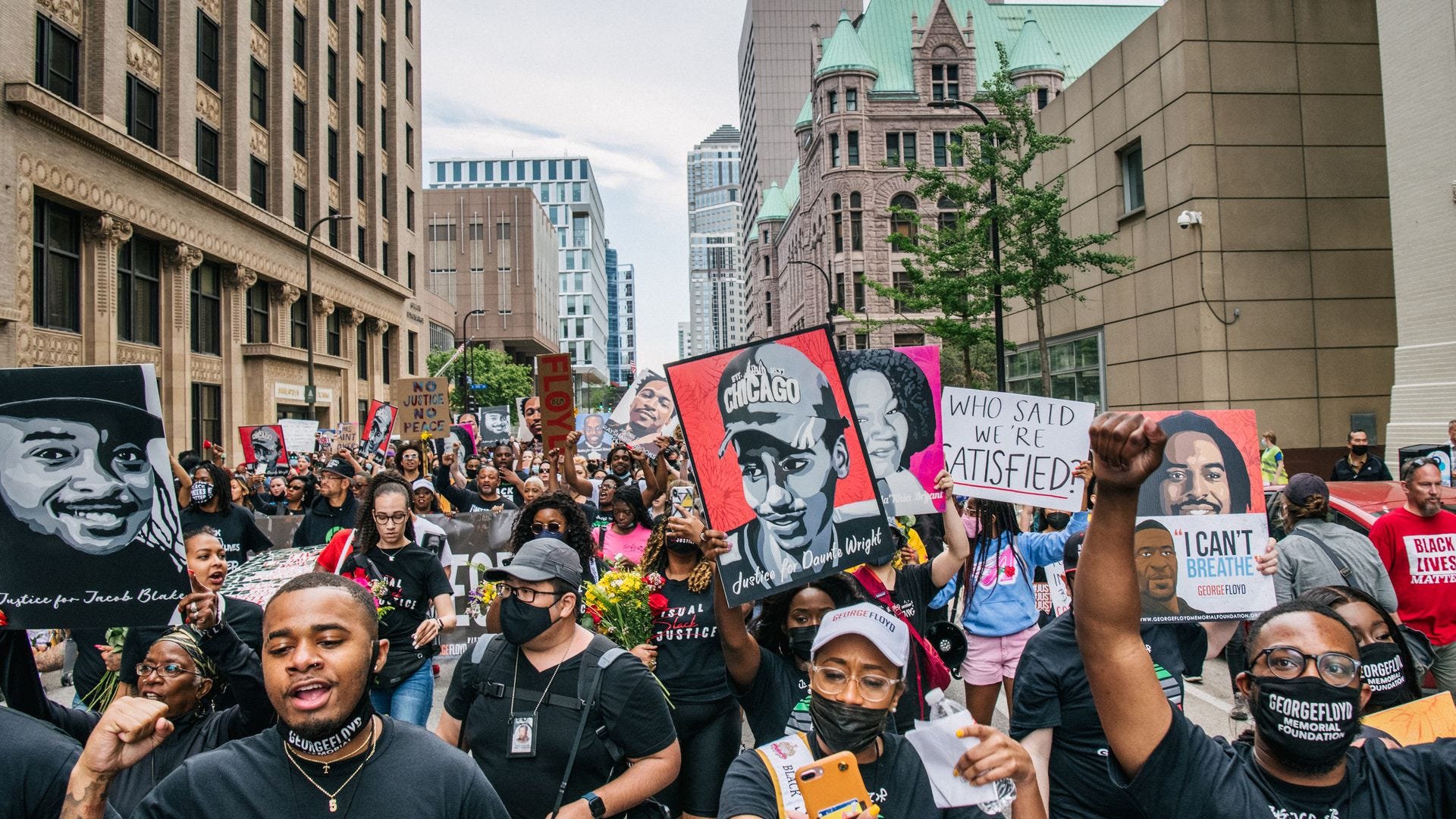
The first time was in May of 2020. I was working for a Minneapolis City Council member when George Floyd was murdered at the end of my block. In the weeks that followed, a veto-proof majority of council members—spanning ideological differences—agreed that the city’s approach to policing needed to change. That coalition was built by years of rising tension and the reality that the existing system had failed people.
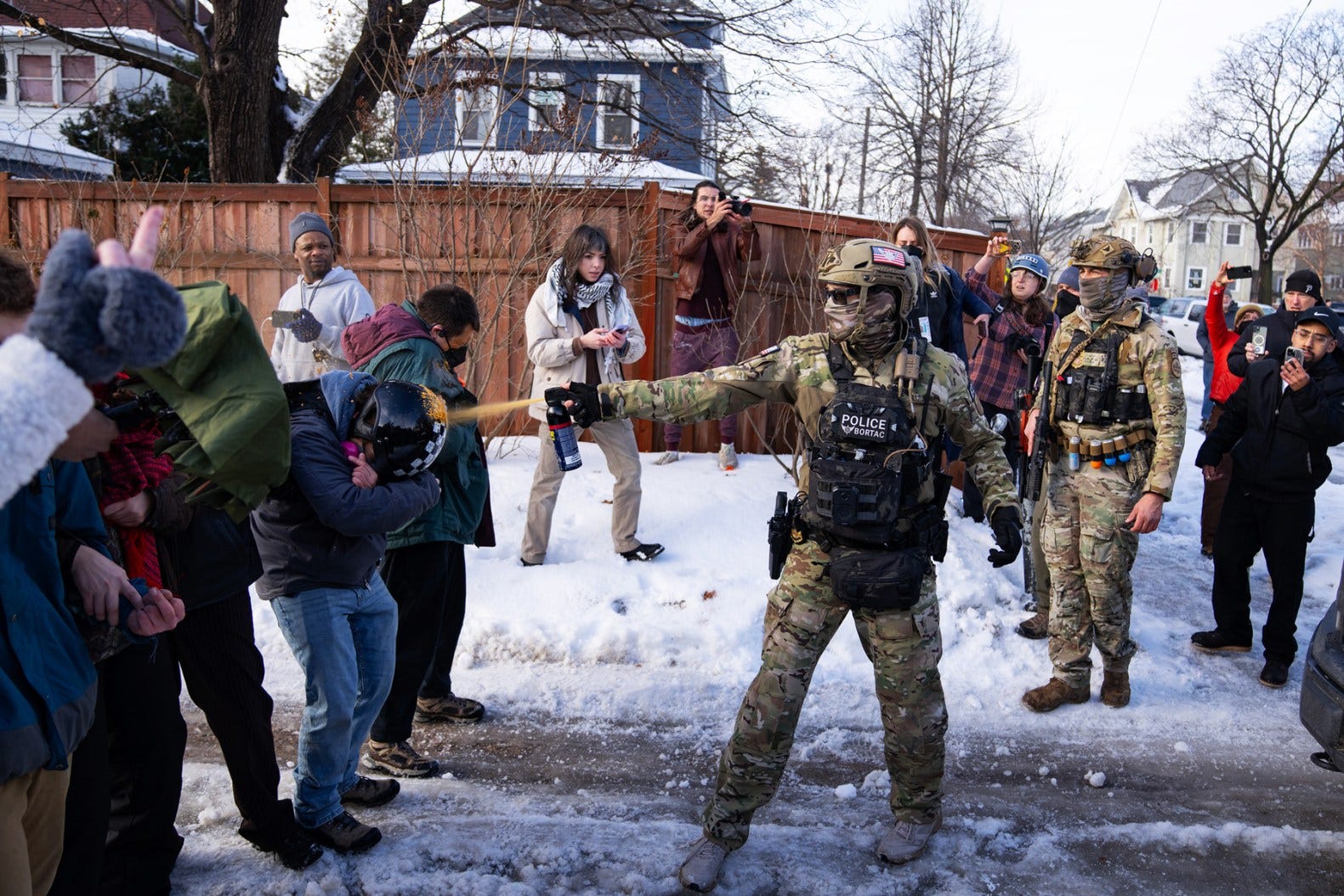
The second time was three months ago. Federal immigration enforcement operations turned Minneapolis into a city under siege— and the fatal shootings of Renee Good and Alex Pretti forced something that looked more like a human response than a partisan one. Republican and Democratic leaders alike raised concerns about transparency. When people are being killed, the question of whose side you’re on becomes less important than what you’re willing to do about it.
These moments show what becomes possible when shared human stakes cut through partisan noise—and how quickly those possibilities can collapse. In 2020, the coalition around policing reform fractured over rhetoric. Today, similar dynamics are emerging in debates around immigration. If I can see these divides in my community, can other Americans see it, too? That question was foundational to our research. In our November report, we surfaced 17 emerging axes of political polarization that cut across the traditional left-right divide.
The data points in the same direction. Forty-five percent of Americans now identify as independent— while 2025 Gallup data shows Democratic Party identification has hit historic lows at twenty-seven percent. People are not finding what they need in what politics currently offers.
So This Is a Pattern— What Does That Mean for Us?
The issues driving this realignment don’t sort neatly into old partisan lines. A conservative voter may believe health should be governed collectively— as evidenced by the Make America Healthy Again movement demanding regulation. A progressive voter may suspect that higher education reinforces existing hierarchies, and be less invested in making college accessible. What’s happening in Minnesota right now around ICE is a live example of this pattern.
Here’s what that means for you: the people you assume are your political allies may not be on the same side as you on the issues that matter most in ten years. And the people you assume are your opponents might be. This is a reason to understand these shifts now.
How Do We Move Forward?
If this realignment is already happening, the question is whether we understand it well enough to shape it. I’ve watched coalitions form in my city, built by people who were too fed up to stay in their assigned lanes. A lot of people feel politically homeless— like the ground shifted under them, and they’re not sure where they landed. I think something else is more true: the people you agreed with haven’t disappeared— they are also moving.
You have a choice: stay isolated, or build with new people. Some of the challenges we face—like economic insecurity—cut across partisan lines, and are too real for us to keep organizing as if party identity defines who is “us” and “them.”
That’s why we built a tool to help people see where they fall on these emerging divides. It maps your instincts and compares them with others who share your background or identity.
If we keep organizing for coalitions that no longer exist, rooted in ideological purity, we will keep losing—even when we’re right on the issues. The coalition that can build a democracy that works for all of us may look nothing like the one we have today. But if you look closely, it may already be forming around you.
So will you find your new tribe, or wait for history to tell you where you land?
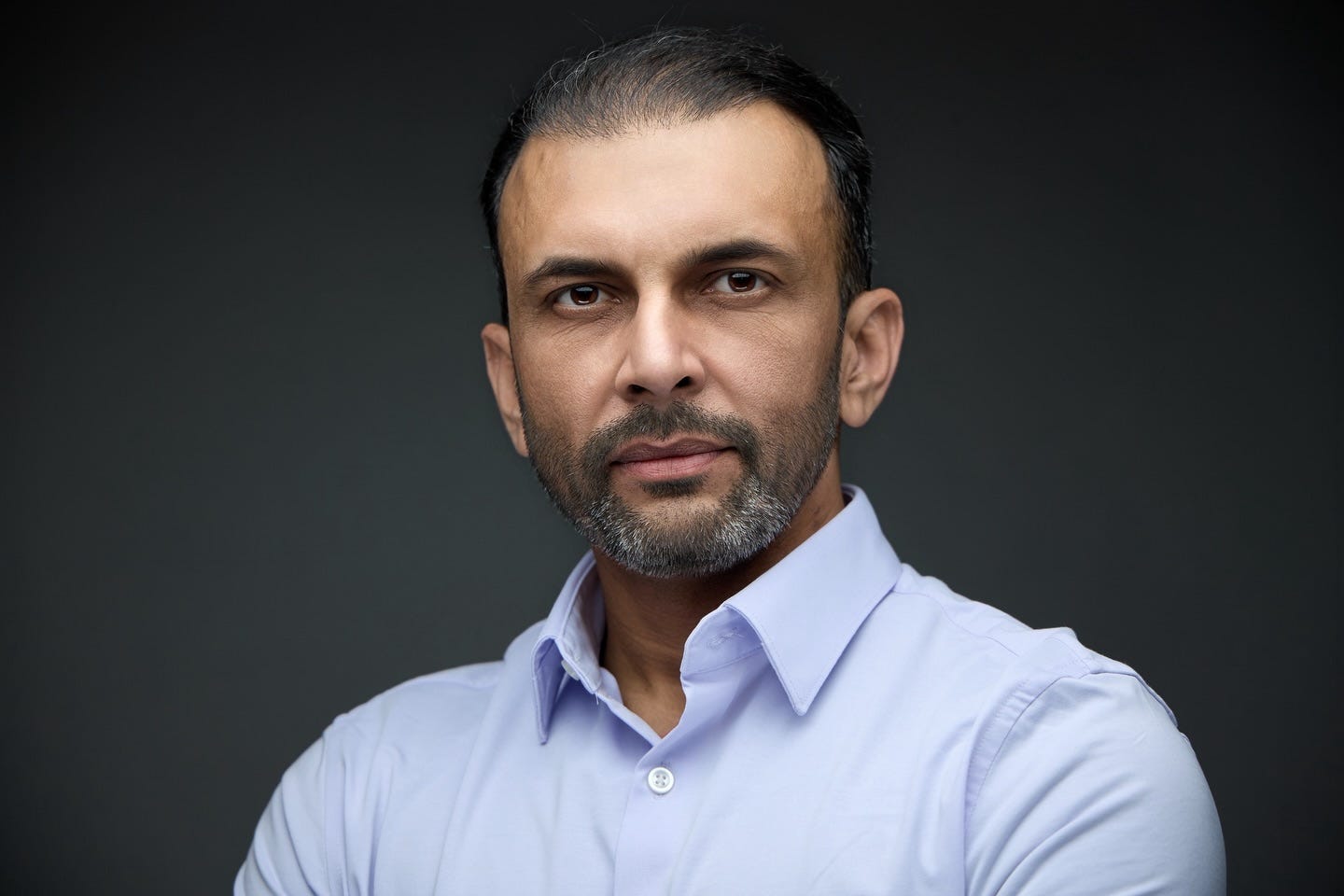
Qasim Rashid is a human rights attorney, author, and host of Let’s Address This — a platform dedicated to human rights, religious freedom, and the accountability that corporate media refuses to provide. Subscribe, share, and let’s remain relentless in our mission for a more perfect Union.
I agree with Ade Salami that people are moving away from party purity. Minnesota has always been more of a "purple" state rather than "pure" blue or red. That is how the Democratic Farmer Labor Party started.
More than party division I believe all Americans are moving away from the "culture wars" that have divided us for so long. People, some for the first time, are starting to look up where most of our problems really begin: the rich.
The rich buy our politicians who start culture wars like "gay people shouldn't get married" or "Trans people shouldn't play sports." This distracts us from the fact that the minimum wage hasn't changed in 20 years. That the health insurance industry is incestuous owning medical supplies and pharmacies setting their own prices to charge themselves.
When people come together and protect each other like Minneapolis did during the riots and the ICE surge we forget the small differences between us. We all need to remember that we are humans and Americans and should be working together.
We all do better when we all do better.
This is some keen insight! And it encompasses the fact that people feel their leaders are not working for them. They aren't. It's why I feel that Bernie Sanders has the kernel of what we all need. Excluding the top 1%, everyone, all of us need government representatives and leaders who demonstrate that their job is serving the American people--all of them. I believe it's why Sanders has huge turnout at his rallys. He speaks to everyone, saying "you should DEMAND that your govt work for you. I can't believe anyone in this country does not want that.