

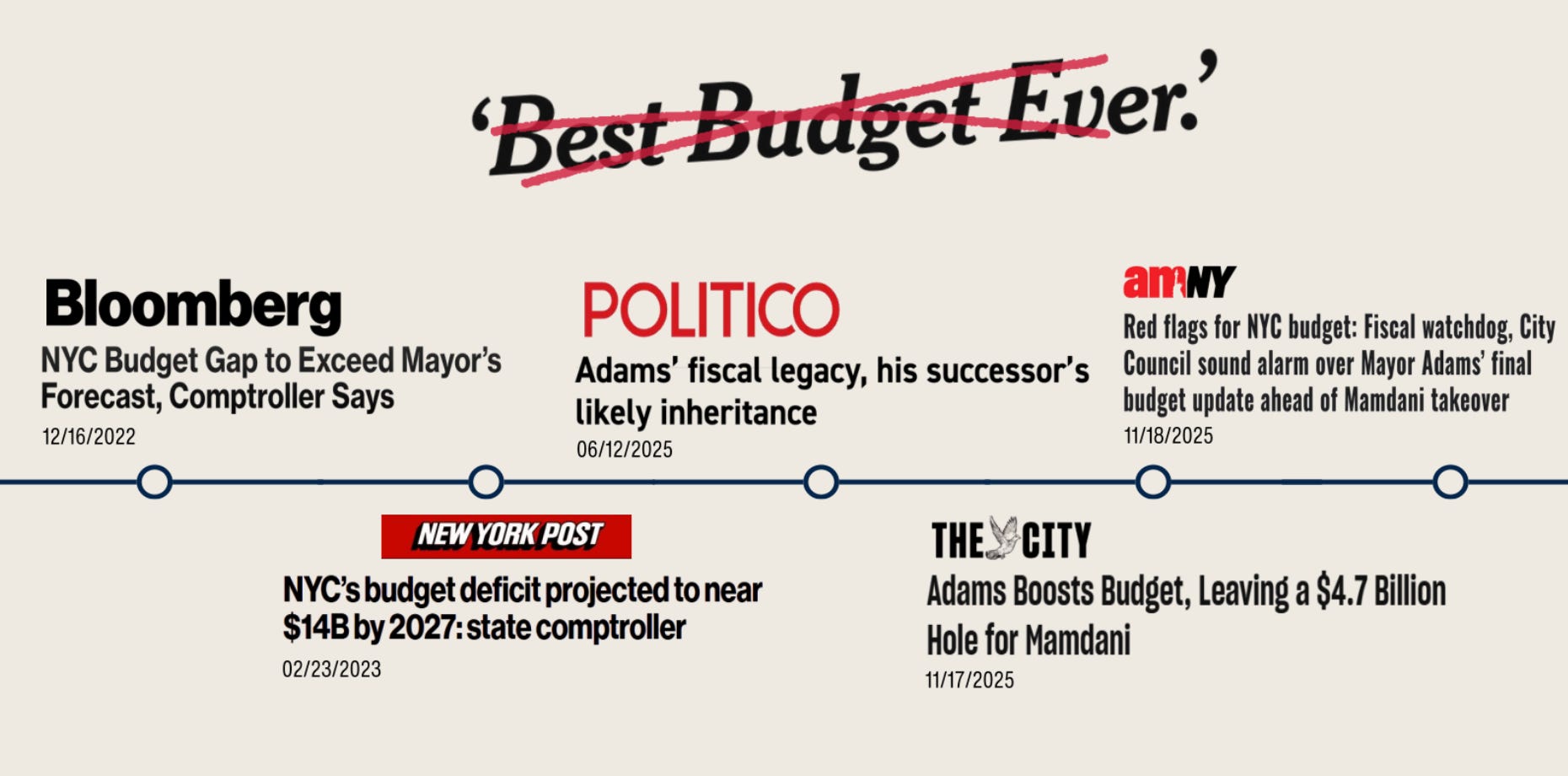
Here’s the bad news. Years of misrepresentation, underbudgeting, and fiscal denialism are now fully exposed in New York City. The city is staring down a $12 billion budget gap over the next two years—the largest since the Great Depression. This didn’t happen overnight, and it didn’t happen by accident. It happened because former NYC Mayor Eric Adams deliberately underfunded known expenses, kicked essential costs down the road, and prioritized political self-interest over transparency and accountability.
Adams did not tell New Yorkers the truth, corporate media lazily went along with the lie, and now New Yorkers are being asked to live with the consequences of these lies and laziness. Today Mayor Mamdani revealed how he plans to fix this crisis—and his strategy is a lesson on how every public servant nationwide should function. At the minimum, it’s what every taxpayer in America should demand. Let’s Address This.
The Good News
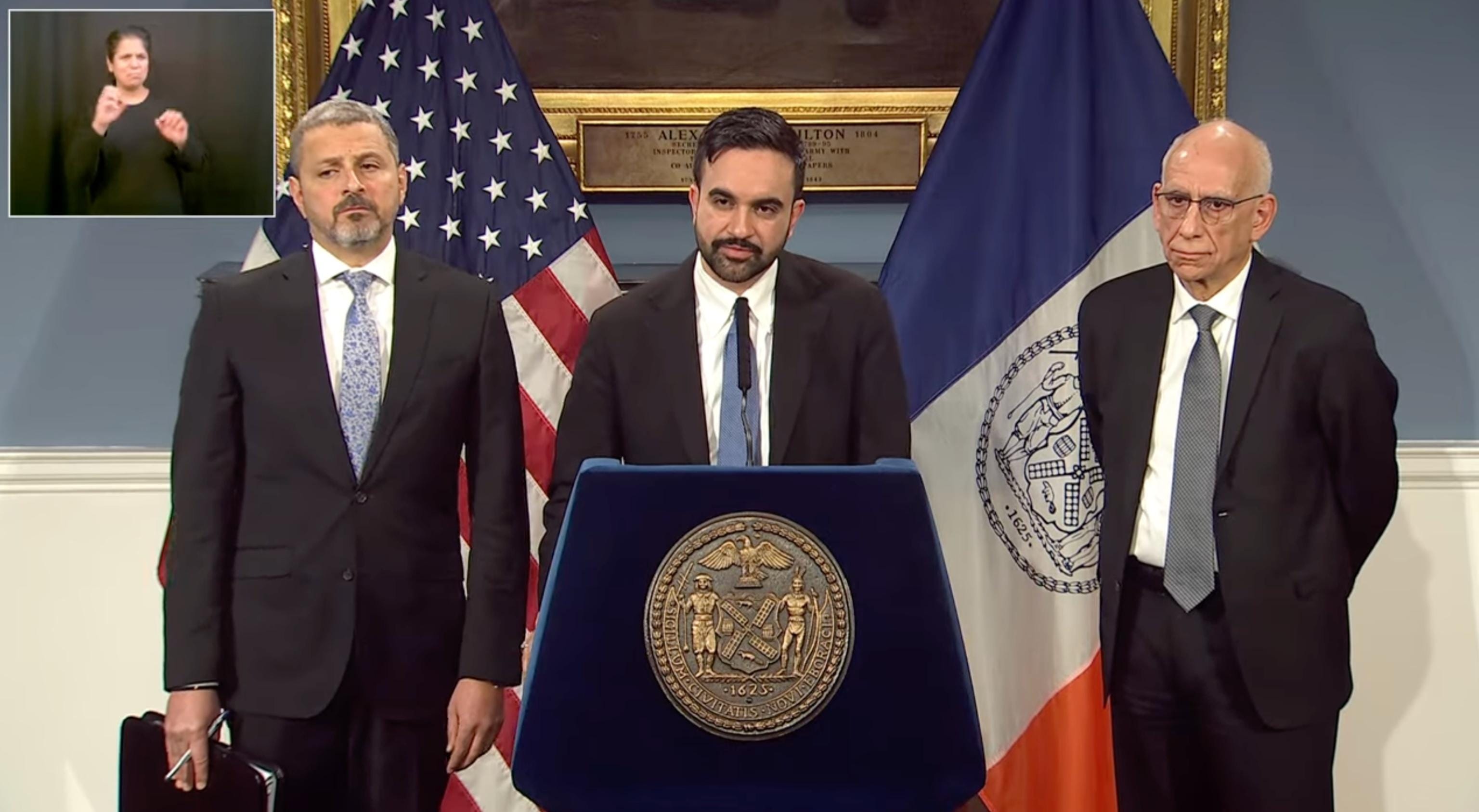
Here’s the good news. What makes this moment different—and what deserves recognition—is that Mayor Mamdani could have continued that censorship and tried to pass the buck. He could have softened the numbers, obscured the gaps, or blamed abstractions. Instead, his presentation today at City Hall made clear that he is fully committed to transparency and openness, so New Yorkers know exactly where their money is going and why the decisions ahead matter.
This is the standard public servants should adopt nationally. After all, this is tax revenue. It is literally our money. So where do we go from here to solve this crisis?
The “Tighten Your Belt” Lie
Let’s start with what not to do. For decades, politicians have relied on a familiar refrain during budget crises: working people must tighten their belts for the greater good.
This model is broken. It was always broken. It was always unjust. It is a lie.
It punishes working-class people for mistakes made by political elites and fiscal mismanagers. It asks families already facing high rents, grocery prices, and transit costs to sacrifice even more—while shielding those most able to contribute. And critically, there is no historical evidence that this approach works. In today’s press conference, Mayor Mamdani captured the core injustice of this approach when he said:
In New York City, the stakes could not be clearer. NYC is already the most expensive city in America. It is experiencing a severe cost-of-living crisis that is pushing working people, artists, small business owners, and families out of the city altogether. How this budget is balanced will determine whether that crisis deepens—or whether it is finally addressed.
Time and again, when budgets fall short, working New Yorkers pay the price through cuts to the very services they rely on: housing assistance, education support, transit reliability, and public safety infrastructure. They did not cause this problem. But without a course correction, they will be forced to bear the burden of the “solution.”
A Proven Alternative: Tax the Wealthy, Invest in the Many
Mayor Mamdani is rejecting that failed model and pursuing one that actually works: modestly taxing the super-wealthy and investing those resources directly into working people.
This is not theory. This is precedent. It is not ancient. It is contemporary.
For example, in 2022, Massachusetts enacted a 4% tax on millionaires. Elite academic institutions predicted catastrophe—mass capital flight, declining revenue, and economic contraction. What has actually happened in Massachusetts since 2022?
Tax revenue increased by $2 billion more than the most optimistic projections
Massachusetts dropped into the bottom ten states for poverty
Far from an exodus, the state saw a 39% increase in their number of millionaires
Billions in new revenue are now directly benefiting working-class communities
This is not speculation. This is a proven model.
What Mamdani Is Proposing—and Why It Matters
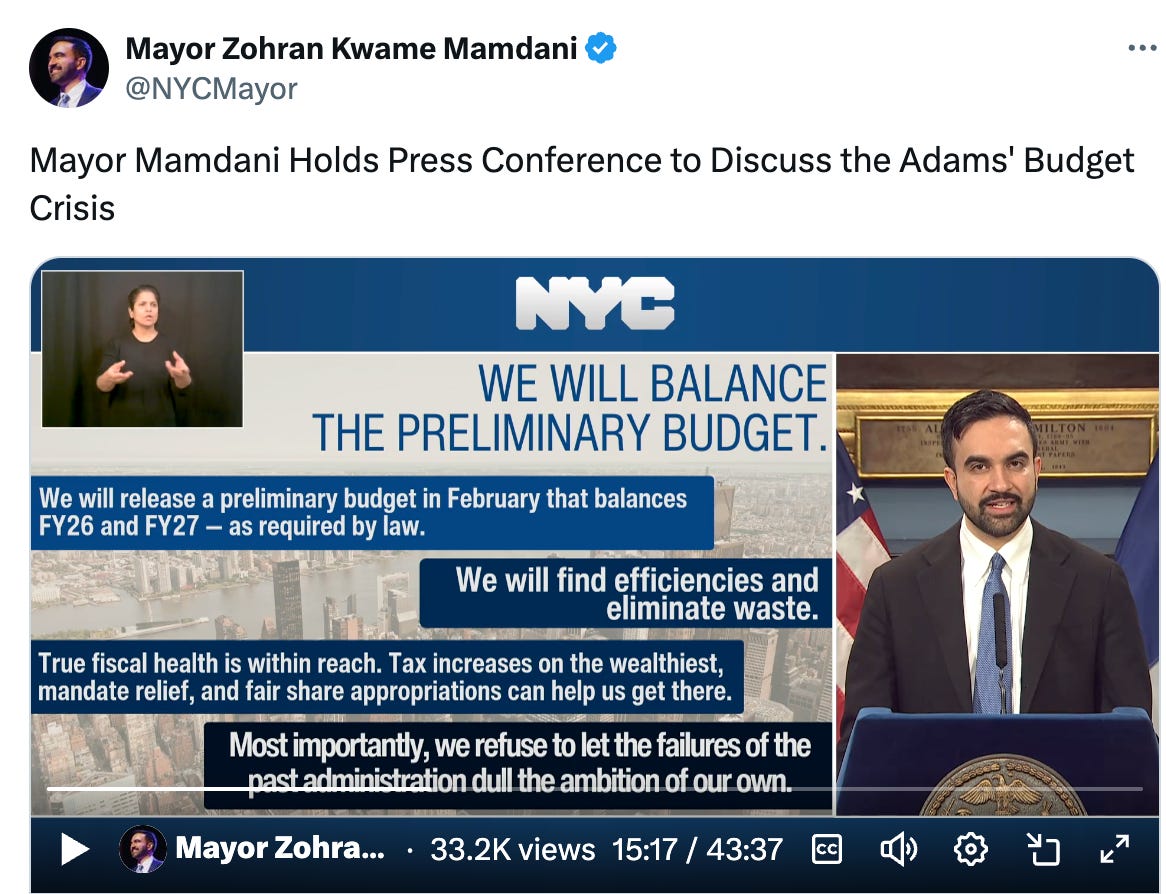
Mayor Mamdani ran on an affordability promise by modestly taxing the wealthiest New Yorkers, and he is governing accordingly. As he said in today’s press conference:
“While we did not create this crisis, we will solve it — and we will do so without balancing the budget on the backs of working people”
His proposal is straightforward:
A 2% tax—not even 4%—on New Yorkers earning over $1 million per year
Roughly 350,000 people stepping up so that 8 million working-class New Yorkers are not taxed more. This will generate at least another $700M in revenue.
Raising the corporate tax rate to 11.5%, aligning New York with New Jersey and holding billion- and trillion-dollar corporations to a fair standard for operating in the financial capital of the world. This will generate at least another $5 billion in revenue.
Simultaneously, the fiscal context makes clear why this is necessary. New York City contributes $21.2 billion more to the state than it receives back. New York City residents generate nearly 55% of state revenue while receiving only 40% in return. That imbalance is no longer sustainable. The city is New York State’s economic engine—but it cannot continue to subsidize everyone else while hollowing out its own future.
Investing in Working People Pays Off
And here’s another truth too often ignored in budget debates: investing in working people generates economic growth.
Every dollar invested in SNAP produces $1.81 in economic output. Housing stability, transit reliability, education access, and healthcare affordability are not expenses to be minimized—they are investments with measurable returns.
New York City cannot afford not to invest in working people. It cannot afford to further tax those already struggling to stay afloat. This is why Mayor Mamdani spoke directly about the need for collectivism to advance an affordability agenda that actually works. In his inauguration speech, he made something else clear as well: he expects to be held accountable, and he expects New Yorkers to stay engaged.
That matters.
The Budget Is Ours—So Act Like It
At the end of the day, the city budget isn’t some abstract spreadsheet tucked away in City Hall—it is the collective reflection of our lives. For working New Yorkers, it is their rent, commute, childcare, and heat in the winter. Working people instinctively understand this in our own homes. After all, we wouldn’t tolerate secrecy, half-truths, or reckless spending with our household finances. We’d ask questions, demand clarity, and stay involved.
So why should public money—taxpayer money—be treated any differently?
The city budget decides whether snow is cleared or neighbors are left stranded. Whether parents can afford to raise children or are quietly pushed out. Whether tax dollars reward corporate landlords who hike rents or protect tenants struggling to buy groceries. Whether trains run on time so working people can get to their jobs and keep this city moving. Every line item draws a boundary between who is protected—and who is left behind.
This crisis was not created by working New Yorkers. Indeed, while every economic recession, depression, or crisis in American history has been caused by the super wealthy and by corrupt politicians, every bailout has been on the backs of working American taxpayers. Mayor Mamdani is standing firm—that changes under his watch:
“Working people did not cause this crisis—and they cannot be made the victims of its solution. In my inaugural address, I made a promise: I said that we would overcome every moment of adversity together, and we would meet every moment of fiscal challenge with ambition, not austerity. That promise stands. We will not shrink from this moment. We will not succumb to small ideas. We will meet this crisis with the bold solutions it demands. That means recalibrating the broken fiscal relationship between the state and the city. And it means that the time has come to tax the richest New Yorkers and most profitable corporations. This is the wealthiest city in the wealthiest country in the history of the world and yet we have allowed 1 in 4 of New Yorkers to live in poverty. It doesn’t need to be that way.”
You can watch the full livestream of Mayor Mamdani’s presentation on YouTube.
Conclusion
This moment offers a real choice and all Americans should pay attention. We can either continue a cold, isolating cycle of austerity and displacement. A cruel campaign championed by Reagan that has resulted in a shocking $79 Trillion transfer of wealth from the bottom 90% to the top 1%. A trickle down scam that has made the wealth divide worse now than it was during and after the Great Depression. Or we can choose something different: transparency over secrecy, fairness over sacrifice, and investment in the people who actually make New York City function.
For the first time in a long time, New Yorkers are being told the truth. Mayor Mamdani has made clear that he does not want passive spectators—he wants an engaged public, a city that understands its budget and helps shape it. That warmth, that sense of shared responsibility and collectivism, is not just moral—it is practical. It is how affordability becomes real.
Now is the moment to lean in. To stay engaged with Mayor Mamdani’s team. To ask questions, demand accountability, and participate in shaping how our shared resources are used. Because what happens in New York City has a ripple effect on the rest of the nation. Thus, every American should pay attention, and demand similar investments in working people from their local village budgets, city budgets, and county and state budgets. If we can ensure New York City becomes a place where everyone can afford not just to survive, but to thrive, we can better ensure we make that a reality nationwide.
This is what worked so well in MA. The uber wealthy are NOT leaving NYC. Nope. That's where the financial, cultural, educational, and MEDICAL action is happening. Do you really want to get health care in MS? I doubt that. Good on Mayor Mamdani for getting real. Former Mayor Adams is going to the bottom of the trash bin of History.
Mamdani has what the Brits call bottle, ie guts. I so want him to succeed. Best to you, Sir.