



I have stood in the ash.
In Lahaina, after one of the deadliest wildfires in American history. In Los Angeles, supporting families who lost everything in hours. In Louisiana, two decades ago, as Hurricane Katrina exposed what this country actually thinks about poor Black communities when the cameras show up — and when they leave. After Hurricane Sandy, when the northeast learned that “it can’t happen here” is a lie every coastal community tells itself until it doesn’t hold.
I’ve been a human rights lawyer for a long time. I’ve done emergency legal aid in disaster zones, raised millions in funds, helped file FEMA paperwork on behalf of families who had nothing left but denial letters and a government that treated their grief like a liability to be managed.
I know what it looks like when the system fails people. And I know what it looks like when survivors refuse to accept that failure.
This election showed us the second thing. Loudly. In this piece I want to share with you two things—how dire circumstances have become with FEMA, and how we can help create meaningful justice and progress. And I’m proud to partner with Rebuild: The National Association of Disaster Survivors to ensure we make that happen.
Let’s Address This.
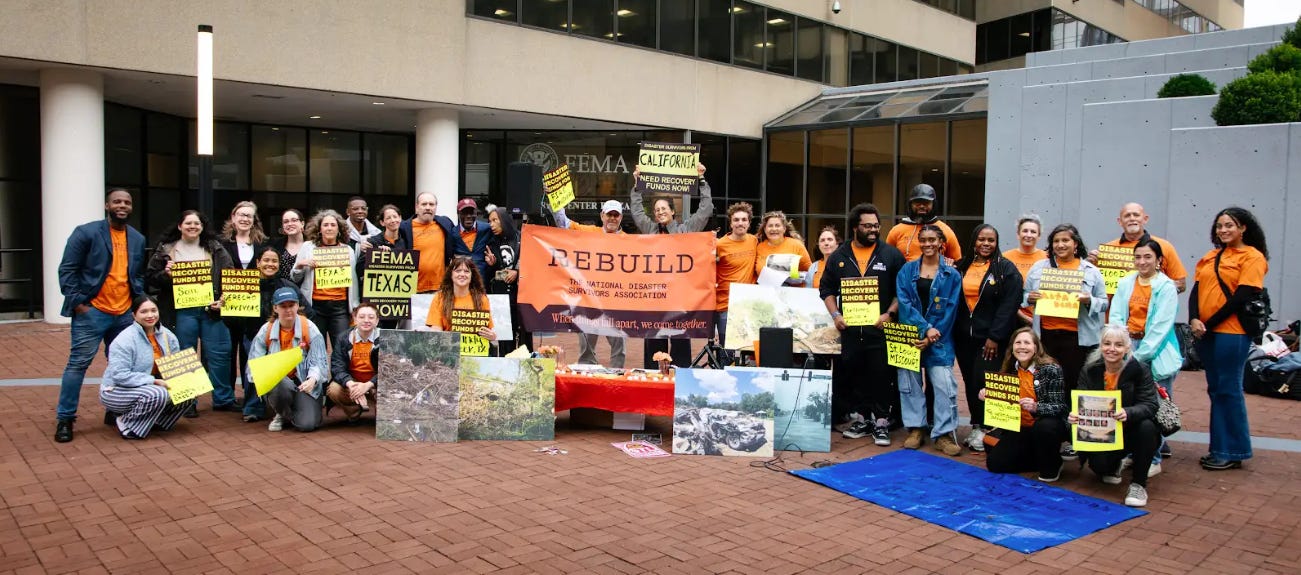
The Election Nobody Called Correctly
The conventional wisdom going into 2026 was that disaster policy was a niche issue. Something advocates cared about. Not a ballot-mover.
Wrong.
In Texas, Greg Abbott — who helped cut FEMA to the bone and then refused to fill the gap with the state’s multi-billion-dollar surplus — lost his reelection bid. And he lost badly. Trump won Texas by 14 points in 2024, Abbot lost it by 7 in 2026—a shocking 21 point swing. In Western North Carolina, Hurricane Helene survivors flipped a Republican-plus-5 congressional seat. The winner ran explicitly on hurricane recovery. In California, wildfire risk and insurance premiums turned a sleepy down-ballot race into one of the most-watched contests in the state.
Disaster survivors are a rising political force. And elected officials who treated federal aid as a political bargaining chip paid the price.
This is a good thing. And this should not surprise anyone who has actually talked to survivors. So it’s critical to understand the math behind why disaster survivors are so furious. And the math isn’t pretty.
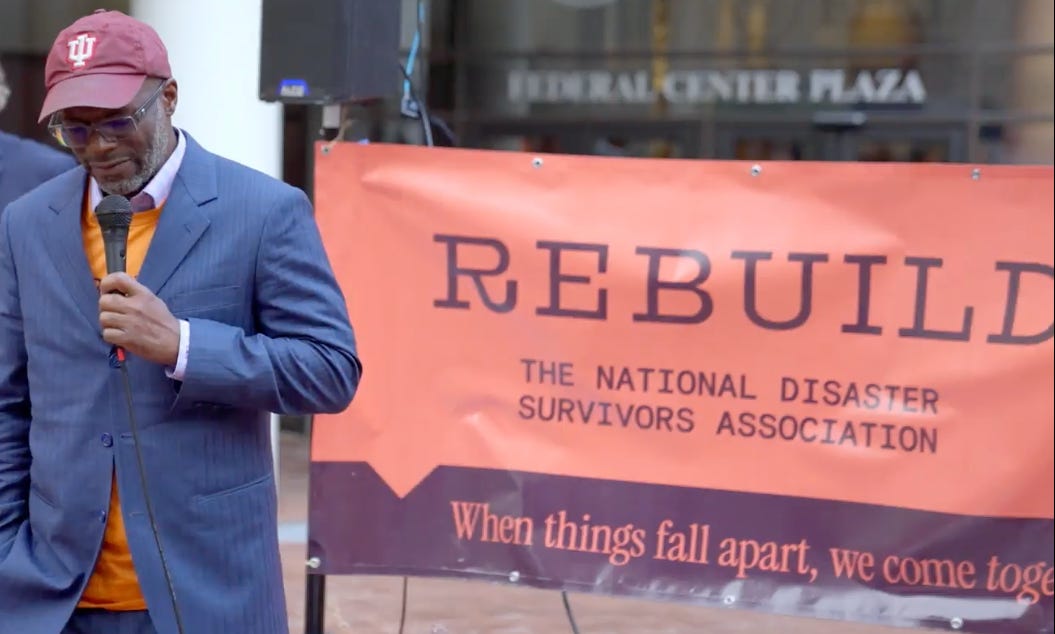
The Insurance Crisis Nobody Is Talking About Loudly Enough
Here is a fact that should make you furious: in the week after Hurricane Isaias, 86% of open homeowners claims had received zero payment. Florida insurance premiums are up 75% in five years. And meanwhile insurers post their best underwriting profits in two decades. Nationally, premiums are up 46% since 2021. Nearly three times inflation.
People are paying dramatically more for insurance that covers less, or nothing at all, while insurance companies record $38 billion in profits.
Not in revenue. Profits.
This is indefensible.
So given this—what is insurance actually for? Is it to help families rebuild after a disaster? Or to generate returns for executives and shareholders? Because right now, it’s only functioning as the latter—and regulators have largely looked away, while pocketing campaign donations from the same insurance corporations they’re supposed to regulate.
Adding to the immediate urgency, over Thanksgiving week, the highest tides of the year are arriving as El Niño causes storms across both coasts. Thousands of American families will likely be caught in a flooding emergency. And right now they have little assurance that the insurance coverage they’ve purchased will be there when they need it.
This needs to change. And here’s what meaningful progress looks like. It looks like freezing the rates. It looks like creating real public insurance competition. It looks like holding insurers accountable when they underpay or drop policyholders. This is a bipartisan issue, so it is refreshing to see two Senators on the opposite sides of the political spectrum—Senators Hawley and Warren—open an investigation into “zero-payment” claims. To support them, state regulators should push every insurer to cooperate fully.
But to be sure, that’s a floor, not a ceiling.
What FEMA Was Supposed to Be Vs What It Has Become
A fast, fair, responsive FEMA is not a progressive wish list. It is a basic function of a functioning government in a country that gets hit by hurricanes, wildfires, tornadoes, and floods every single year.
Disaster survivors dating as far back as January 2025 are still waiting on federal recovery funding. That is not an abstraction. That is a family. That is a child who can’t study at school because he doesn’t have a stable home. That is a community that organized, showed up, held on — and is still waiting for basic human dignity. That is an unacceptable failure.
Among the 120th Congress’s first orders of business should be a disaster supplemental. Long-term recovery funding — known as CDBG-DR — hasn’t been appropriated since December 2024. That must change immediately upon the new Congress being sworn in.
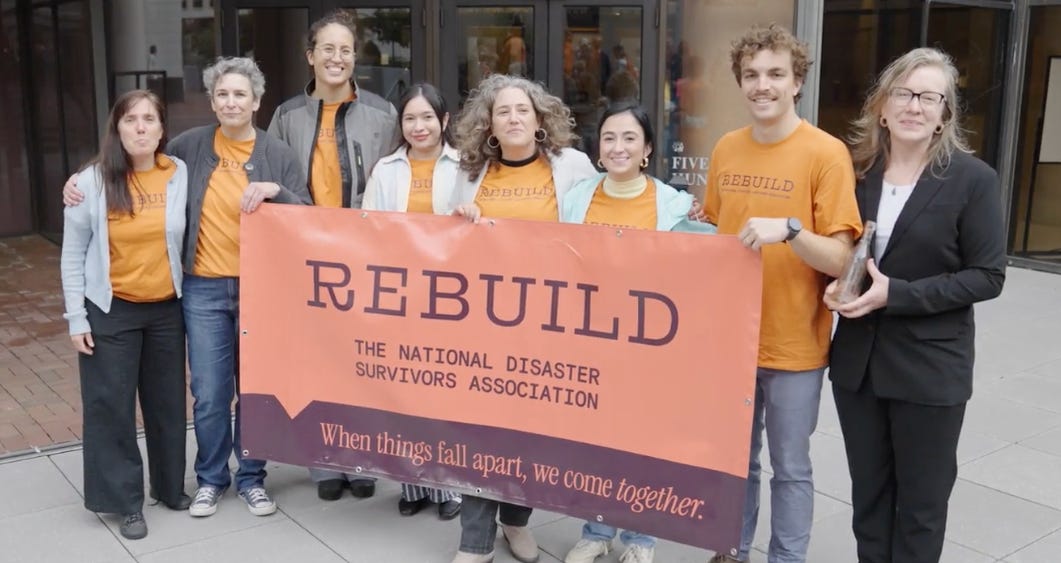
Why I Believe in Rebuild
Which brings me to my final point—who we work with matters. I partner with organizations that do the actual work. Not the press release. The work.
Rebuild has been at this for years, decades even. They are led by disaster survivors, built for disaster survivors, and operate upon a principle I believe in deeply: survivors aren’t waiting to be rescued. They are organizing, showing up, and winning.
For example, after the Texas Hill Country flood, survivors couldn’t get FEMA Individual Assistance because only county-level Public Assistance had been approved. This left actual households without help or a path forward. Rebuild took the lead and brought them to Capitol Hill where the survivors could tell their stories to the people with the power to fix it. The federal government approved Texas’s appeal, opening Individual Assistance to families in 20 counties.
That’s what it looks like when survivors have institutional support behind their advocacy.
And the math behind Rebuild is inspiring. Rebuild has raised and distributed $16 million to 125 organizations across 21 disasters. They stick around long after the headlines fade, the cameras turn off, and the social media algorithm moves on. They build lasting community power. That matters, because one thing is for sure—the next disaster is coming, and the only way to be ready is to build the infrastructure of mutual support now.
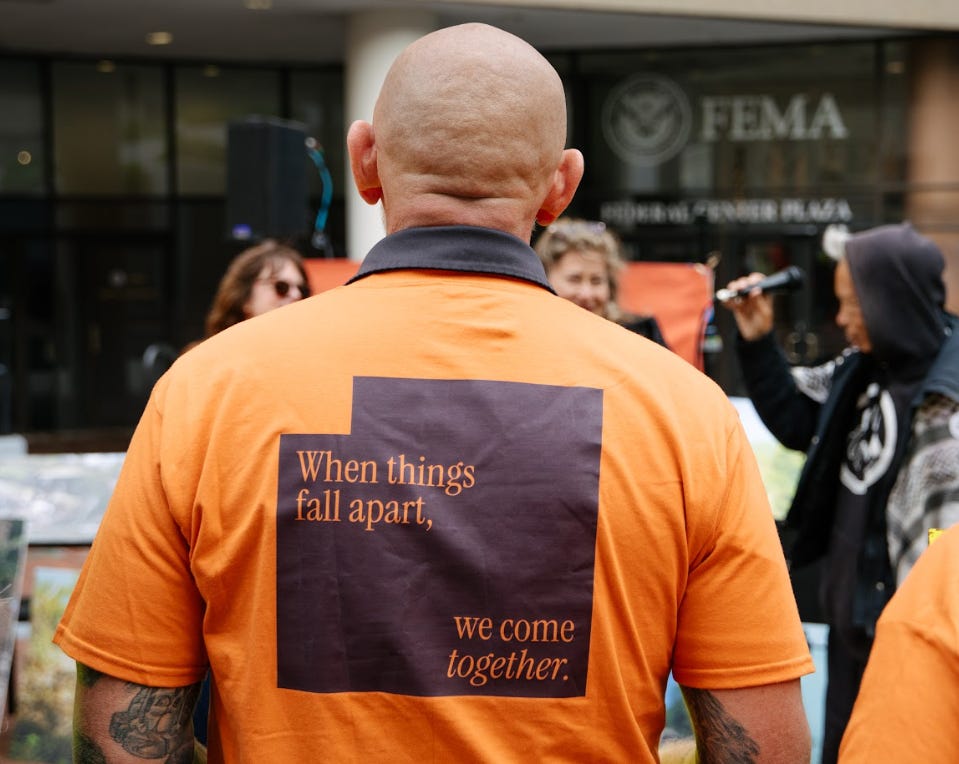
The Work Continues
This election was a beginning—not an end. The beginning of reviving one of our most crucial social safety nets. Survivors flexed real political power, and that matters, but we have work yet to do. Because the families are still waiting on assistance, still navigating insurance denials, still sleeping somewhere that isn’t their home—cannot wait for the next election cycle. And we cannot ask them to be patient any longer.
Because even as you read this, record-high temperatures are leading to “King tides,” with water levels as high as three feet along the Northern California coast. San Francisco Mayor Daniel Lurie is warning residents of “high tides that this city has never seen before.” This is why Rebuild exists. It is an organization of disaster survivors for disaster survivors, because no one should go through their worst days alone. If we’ve learned anything in 2026, it’s this: Most families have no cushion.
Therefore, the new Congress needs to act. Pass the disaster supplemental. Restore long-term recovery funding. Depoliticize FEMA. Investigate an insurance industry that leaves policyholders empty-handed while posting record profits.
Survivors will keep organizing. Because when they do, it works.
I have stood in the ash. And I have watched people rebuild—not just houses, but power. I hope you’ll join our efforts. Follow Rebuild’s ongoing work at @rebuild.us. The fight is far from over, and they are on the front lines every single day.
Let’s join forces with them to protect all of our neighbors.
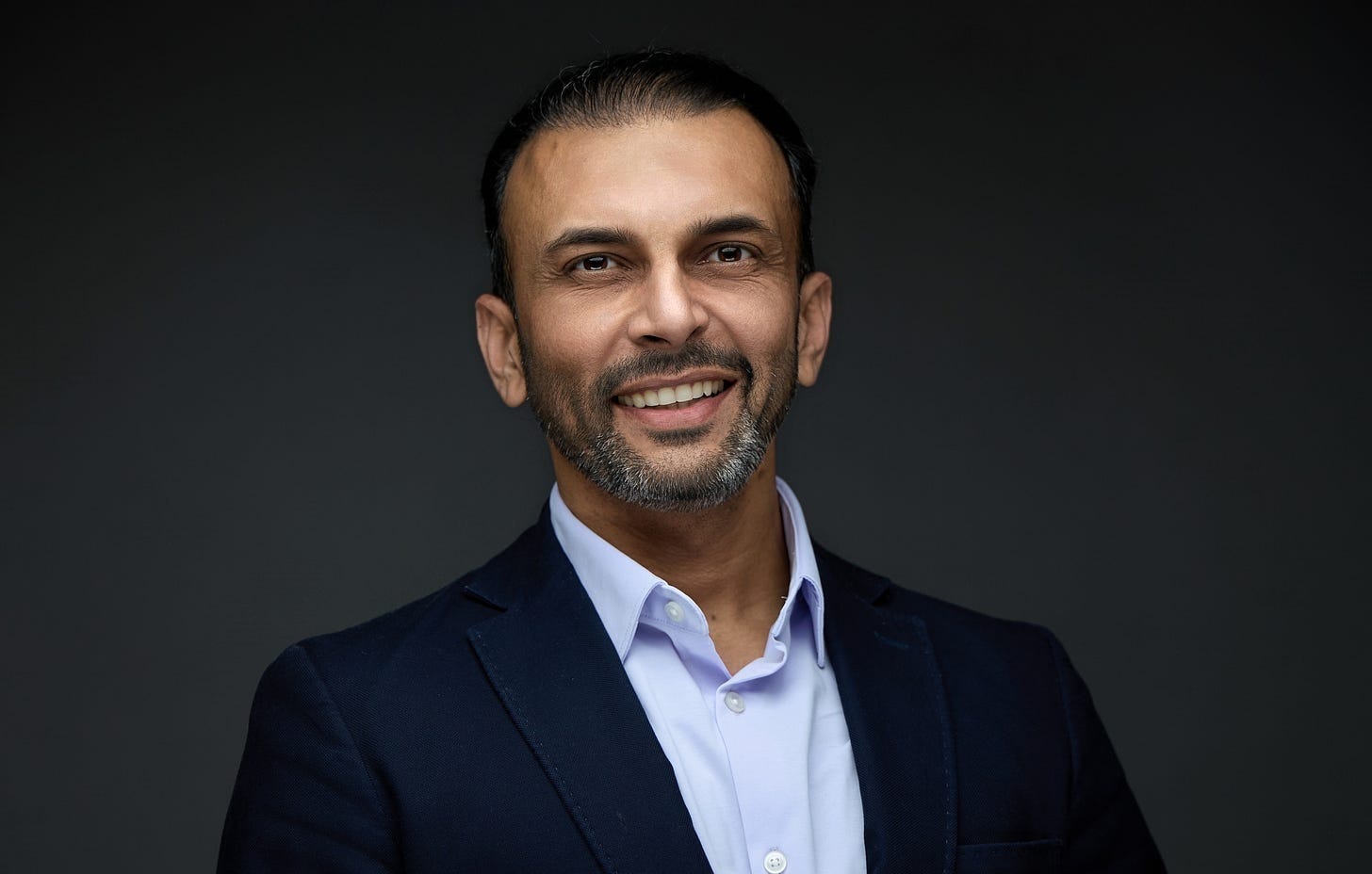
Qasim Rashid is a human rights attorney, author, and host of Let’s Address This—a platform dedicated to human rights, accountability, and the fight against the disinformation and hate that corporate media refuses to name. Subscribe, share, and let’s remain relentless in our mission for a more perfect Union.
REMINDER:
If you’re not a fan of monthly subscriptions, support our human rights platform with a one-time contribution at any amount that fits your budget.
It started crumbling when Trump took charge, It needed fixing before that, but trump does not care for the people, he cares about taking our money to make himself and his cronies wealthy and it's a disaster. Corporations have followed suit in the corruption and they are laughing.